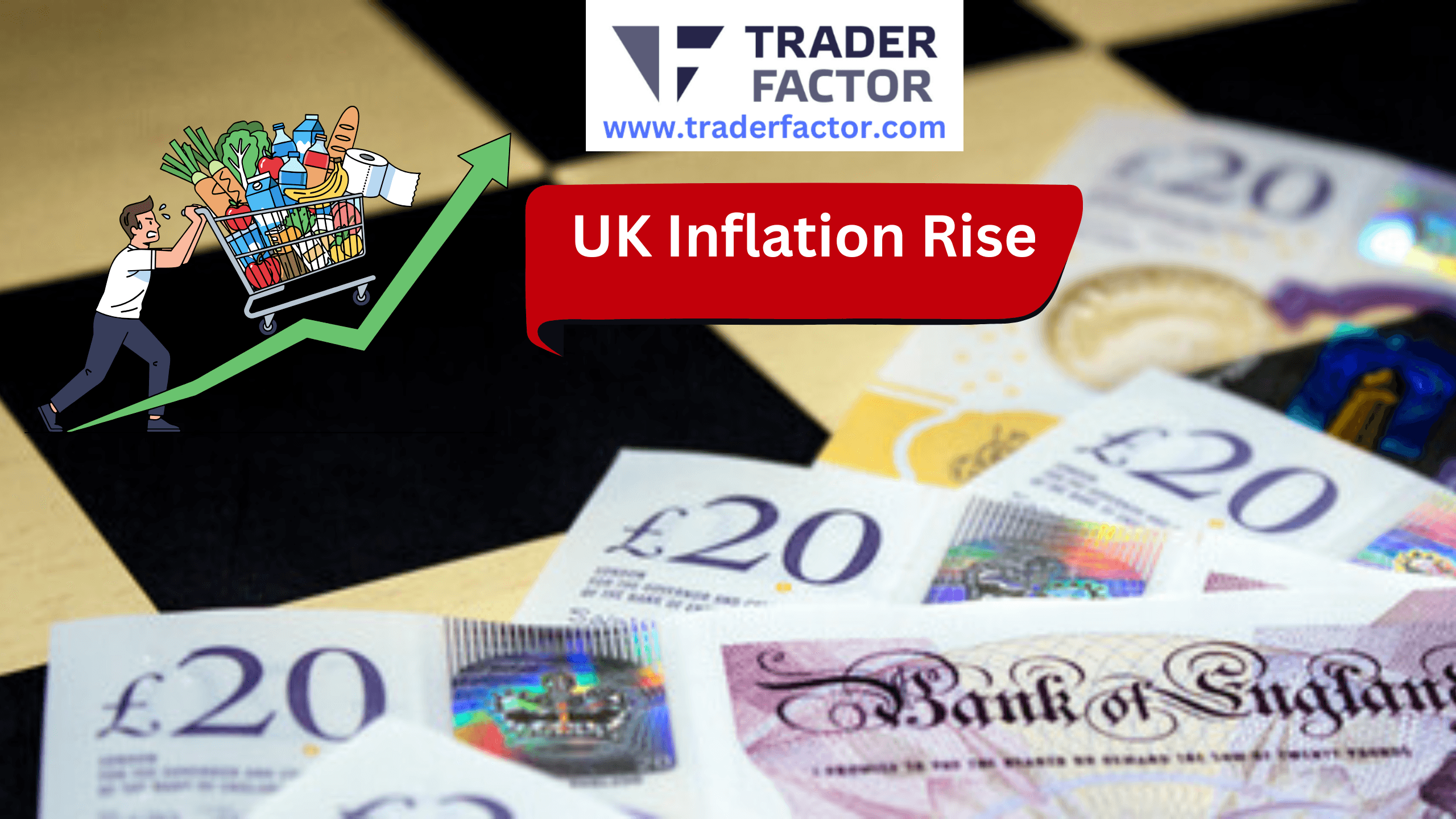

The United Kingdom’s annual inflation rate unexpectedly rose to 3.4% in December, marking the first increase in five months and surpassing economists’ forecasts of 3.3%. This figure, up from November’s 3.2%, was released by the Office for National Statistics (ONS). The rise was primarily influenced by increased prices for air travel, food, and tobacco.
This development has significant implications for the Bank of England’s future monetary policy decisions, particularly concerning the timing of potential interest rate cuts. Consequently, financial markets are now recalibrating their expectations for the year ahead, leading to a measured but notable reaction in currency and bond markets.
Analysis of the Inflation Data
The latest inflation report provides a detailed look into the price pressures affecting the UK economy. Understanding the components driving this increase is crucial for assessing its potential longevity and impact on policy. The data shows a mix of volatile price changes and more persistent underlying pressures.

Key Drivers of the Increase
The uptick in the headline inflation figure was significantly influenced by several specific categories. A notable contributor was the rise in airfares during the holiday period, a volatile component that saw a larger-than-usual seasonal jump. Furthermore, increased government duties on tobacco products added upward pressure on the consumer price index.
Food prices, particularly for staples like bread and cereals, also continued their upward trend, contributing to the overall rise. These factors combined to push the headline rate beyond market consensus, interrupting a steady downward trend that had been observed over the previous months.
Core and Services Inflation Insights
While the headline rate drew attention, the details of core and services inflation offer a more nuanced view. Core inflation, which excludes volatile items such as energy, food, alcohol, and tobacco, remained stable at 3.2%. This suggests that some of the underlying price pressures are not accelerating as rapidly as the headline figure might imply.
However, services inflation, a key metric watched by the Bank of England as an indicator of domestic price pressures, edged up from 4.4% to 4.5%. This slight increase signals that domestically generated inflation remains persistent, a factor the central bank will monitor closely.

Market Reaction and Policy Implications
The financial markets’ reaction to the inflation news was relatively contained, but the data has undeniably altered the outlook for the Bank of England’s monetary policy. The higher-than-expected figure makes an imminent interest rate cut less probable.

Currency and Bond Market Response
Following the release, the British pound showed modest gains but remained largely stable, with the GBP/USD pair trading around the 1.34 level. The currency’s muted reaction indicates that while the data was a surprise, it was not significant enough to cause a major shift in market positioning.
Investors seem to believe the long-term disinflationary trend remains intact. In the bond market, yields on UK government debt ticked slightly higher, reflecting the reduced probability of near-term rate cuts as investors adjusted their positions to account for a potentially more cautious Bank of England.

Bank of England’s Outlook
This inflation report complicates the Bank of England’s decision-making process. The central bank is expected to maintain its current interest rate of 3.75% at its upcoming February meeting. While policymakers have signaled that inflation is likely to fall toward the 2% target later in the year, this unexpected rise introduces a note of caution.

The persistent nature of services inflation, coupled with a tight labor market, will likely encourage the Monetary Policy Committee to wait for more conclusive evidence of a sustained downturn in price pressures before committing to rate reductions.
The unexpected rise in UK inflation to 3.4% has tempered expectations for immediate interest rate cuts. While the long-term trend is still projected downward, the Bank of England will likely adopt a cautious stance, awaiting further data before adjusting its policy, leaving markets to anticipate rate changes later in 2026.
Disclaimer:
All information has been prepared by TraderFactor or partners. The information does not contain a record of TraderFactor or partner’s prices or an offer of or solicitation for a transaction in any financial instrument. No representation or warranty is given as to the accuracy or completeness of this information. Any material provided does not have regard to the specific investment objective and financial situation of any person who may read it. Past performance is not a reliable indicator of future performance.