
Markets turn volatile as oil jumps and CPI fears rise. Full outlook on gold, forex, equities, Bitcoin and Fed policy. Trump-Iran tensions cause volatility
⚡ Key Takeaways – Trump‑Iran Tensions & Inflation Fears
🎯 Bottom line: Oil + inflation + Fed transition = high‑volatility week. Trade the levels.
Markets React to Trump-Iran Tensions as CPI Inflation Fears Trigger Volatility Across Gold, Forex & Stocks
Global financial markets are entering a highly sensitive week as geopolitical tensions between the United States and Iran combine with growing inflation fears ahead of major US economic data releases. Oil prices are surging after President Trump rejected Tehran’s response to the proposed peace agreement, increasing concerns about prolonged supply disruptions and rising energy costs. Traders are now focused on Tuesday’s US CPI report, which is expected to show inflation accelerating sharply. The combination of rising inflation, higher oil prices, and uncertainty surrounding the new Federal Reserve leadership could trigger major volatility across currencies, gold, equities, bonds, and crypto markets.
Quick Answer
Markets are reacting to renewed US-Iran tensions and rising inflation fears ahead of key US CPI data. Higher oil prices are increasing expectations for stronger inflation, which could support the US dollar, pressure gold and equities, and delay future Federal Reserve rate cuts.
Support and Resistance Snapshot
| Asset | Price | S3 | S2 | S1 | Pivot | R1 | R2 | R3 | Bias |
|---|---|---|---|---|---|---|---|---|---|
| DXY | 98.121 | 97.20 | 97.50 | 97.80 | 98.00 | 98.60 | 99.00 | 99.50 | BULLISH |
| Gold | 4675 | 4580 | 4620 | 4650 | 4680 | 4720 | 4780 | 4850 | BEARISH |
| EURUSD | 1.17525 | 1.1620 | 1.1660 | 1.1700 | 1.1730 | 1.1780 | 1.1830 | 1.1880 | BEARISH |
| GBPUSD | 1.35854 | 1.3450 | 1.3500 | 1.3540 | 1.3570 | 1.3620 | 1.3670 | 1.3720 | BEARISH |
| NZDUSD | 0.59415 | 0.5850 | 0.5880 | 0.5910 | 0.5930 | 0.5970 | 0.6010 | 0.6060 | BEARISH |
| AUDUSD | 0.72282 | 0.7140 | 0.7170 | 0.7200 | 0.7230 | 0.7270 | 0.7310 | 0.7360 | BEARISH |
| USDCAD | 1.36928 | 1.3580 | 1.3620 | 1.3650 | 1.3670 | 1.3730 | 1.3780 | 1.3840 | BULLISH |
| USDJPY | 157.099 | 155.50 | 156.00 | 156.50 | 157.00 | 158.00 | 159.00 | 160.00 | BULLISH |
| USDCHF | 0.77928 | 0.7720 | 0.7750 | 0.7770 | 0.7790 | 0.7830 | 0.7870 | 0.7910 | BULLISH |
| BTCUSD | 80860 | 78000 | 79000 | 80000 | 80500 | 82000 | 84000 | 86000 | NEUTRAL |
| OIL | 96.495 | 91.00 | 93.00 | 94.50 | 96.00 | 98.50 | 101.00 | 104.00 | BULLISH |
| NAS100 | 29260 | 28600 | 28800 | 29000 | 29200 | 29500 | 30000 | 30400 | NEUTRAL/BEARISH |
| US30 | 49484 | 48800 | 49000 | 49200 | 49500 | 49800 | 50200 | 50700 | NEUTRAL/BEARISH |
| SP500 | 7396 | 7320 | 7340 | 7370 | 7390 | 7430 | 7480 | 7530 | NEUTRAL/BEARISH |
How to use: S1–S3 = support zones, R1–R3 = resistance, Pivot = equilibrium. Bias = short‑term directional expectation. Use these levels to plan entries, exits, and stop‑losses.
Market Analysis (Technical and Fundamental Analysis)
Gold Analysis
“Why is gold under pressure despite geopolitical tensions?” Gold remains under pressure because markets are pricing in stronger inflation and higher interest rate expectations, which are bearish for the metal.
Gold is beginning to show signs of exhaustion near recent highs. Momentum remains weak below resistance zones, while lower timeframe structures are producing failed bullish continuations. Rising Treasury yields and a stronger dollar are limiting upside momentum.

Normally, geopolitical tensions support gold through safe-haven demand. However, rising inflation expectations driven by higher oil prices may force the Federal Reserve to maintain tighter monetary policy for longer. That increases real yields and strengthens the dollar, both of which are bearish for gold in the short term.
Oil Analysis
“Why is oil surging after Trump rejected Iran’s proposal?” Oil is surging because fears of prolonged instability in the Middle East have intensified, raising concerns about supply disruptions around the Strait of Hormuz.
WTI continues trading within a strong bullish trend structure after aggressive breakout momentum above key resistance levels. Buyers remain firmly in control while volatility expands alongside geopolitical headlines. Trump’s rejection of Iran’s proposal to end the war has made markets increasingly concerned about potential disruptions around the Strait of Hormuz, a critical global oil supply route. Rising oil prices are now becoming a major inflation driver ahead of the CPI report.

US Dollar (DXY)
“Why is the US dollar bullish ahead of CPI?” The US dollar is bullish because high inflation often strengthens the currency as markets anticipate tighter monetary policy and elevated bond yields.
The DXY continues building higher lows above key support zones. Momentum indicators favor upside continuation as traders price in stronger inflation expectations and higher-for-longer interest rates. If CPI rises toward 3.7%, traders may reduce expectations for future Fed easing, which would further support the dollar.
Euro (EURUSD)
“Why is the euro vulnerable to USD strength?” The euro is vulnerable because higher US inflation expectations and stronger Treasury yields continue to favor the dollar over the common currency.
EURUSD is beginning to lose bullish momentum near resistance levels, with rejection patterns appearing on intraday charts. The pair remains vulnerable to broader USD strength, especially with the Federal Reserve expected to maintain tighter policy than the European Central Bank.
British Pound (GBPUSD)
“Why is sterling facing downside pressure?” Sterling faces downside pressure as demand for the US dollar strengthens ahead of key inflation data and due to rising geopolitical tensions.

GBPUSD is consolidating below resistance while momentum weakens. The pound may remain volatile ahead of Britain’s monthly GDP report later this week, but for now, the stronger dollar narrative is dominating price action.
Australian Dollar (AUDUSD)
“Why is the Aussie dollar struggling?” The Australian dollar is struggling because rising geopolitical tensions and inflation fears are reducing appetite for risk-sensitive currencies.
AUDUSD is struggling to maintain bullish continuation above recent highs. The pair is becoming increasingly sensitive to risk-off flows, and any further escalation in Middle East tensions or stronger-than-expected US inflation could push it lower.
New Zealand Dollar (NZDUSD)
“Why is the kiwi dollar vulnerable?” The kiwi dollar remains vulnerable to stronger dollar flows and is heavily dependent on broader market sentiment and global growth expectations.
NZDUSD price action remains weak below resistance structure, favoring downside continuation. Like the Aussie, the kiwi is sensitive to risk sentiment, and the current environment of geopolitical uncertainty and rising yields is not favorable for the currency.

Canadian Dollar (USDCAD)
“Why is USDCAD bullish despite rising oil prices?” USDCAD is bullish because broader USD strength linked to inflation fears is currently outweighing the supportive effect of stronger crude oil prices on the Canadian dollar.
The pair continues building bullish recovery momentum above support zones. Typically, higher oil prices support the loonie, but the current environment sees dollar strength dominating across the board, keeping USDCAD bid.
Japanese Yen (USDJPY)
“Why is USDJPY strongly bullish?” USDJPY remains strongly bullish because rising US yields continue supporting carry-trade demand against the low-yielding Japanese yen.
The pair continues producing higher highs and higher lows with strong momentum continuation. The interest rate differential between the US and Japan remains wide, and unless the Bank of Japan signals a major policy shift, the uptrend is likely to persist.
Swiss Franc (USDCHF)
“Why is USDCHF supported?” USDCHF remains supported by defensive dollar flows amid inflation concerns and geopolitical uncertainty.

Bullish momentum remains intact above consolidation support. The pair reflects broader dollar strength as investors seek the safety of the greenback rather than the franc.
Bitcoin
“Why is Bitcoin vulnerable to tighter financial conditions?” Bitcoin remains resilient but increasingly vulnerable to tighter financial conditions as rising inflation and stronger yields can reduce liquidity for crypto markets.
BTC continues consolidating above psychological support near 80,000 while momentum weakens slightly below resistance. Rising inflation and stronger yields could reduce liquidity conditions for crypto markets. However, institutional demand continues supporting long-term structure, and any dovish surprise from the Fed could trigger a rally.
US Equities (NAS100, US30, SP500)
“Why are US equities vulnerable near record highs?” US equities are vulnerable because higher inflation could pressure growth stocks by increasing discount rates and borrowing costs, while rising yields threaten the broader market.

The NAS100 remains bullish overall but signs of exhaustion are beginning to appear near highs. The Dow recently broke above 50,000 but is now consolidating, while the S&P 500 continues trading near all-time highs with volatility increasing ahead of CPI. If inflation rises sharply, equities could face pressure from rising yields and tighter monetary policy expectations.
Geopolitical Developments
“How are Trump-Iran tensions affecting markets?” Trump’s rejection of Iran’s peace proposal has intensified fears of prolonged Middle East instability, sending oil prices higher and raising inflation concerns.
- Trump rejects Iran’s response to the proposed peace agreement
- Oil prices surge after fears of prolonged conflict intensify
- Israel reports strikes in Lebanon resulting in casualties
- Markets increasingly pricing geopolitical risk into inflation expectations
The Middle East conflict is now directly influencing global inflation outlooks through energy markets.
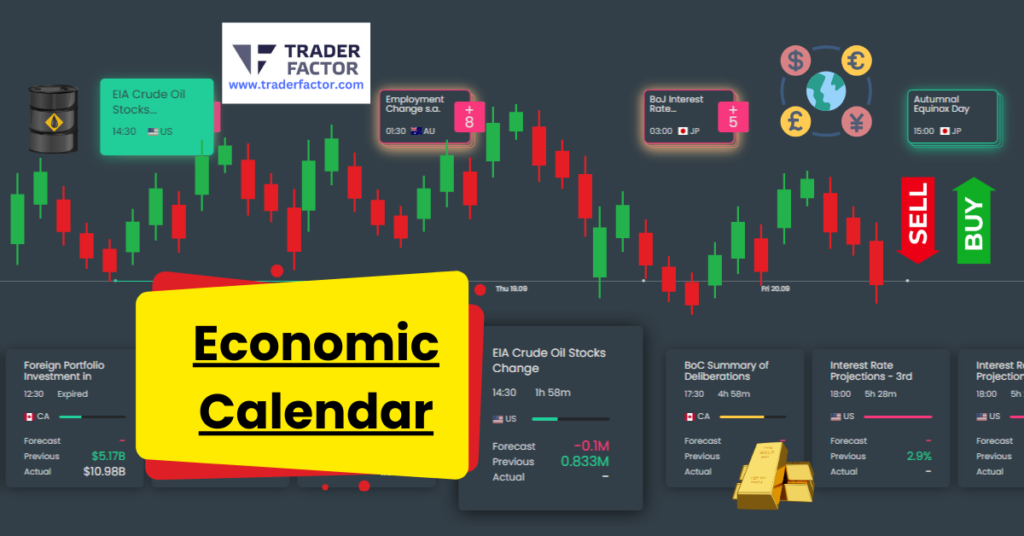
Economic Calendar & Key Events
“What economic data should traders watch this week?” Traders are focused on Tuesday’s CPI report, Wednesday’s PPI, and Thursday’s retail sales and unemployment claims, as well as the Fed chair nomination vote.
Tuesday – US CPI Inflation Report: Markets expect inflation to rise from 3.3% to 3.7%. CPI measures changes in consumer prices and directly influences Federal Reserve policy, interest rates, bond yields, USD strength, and equity valuations. A rise toward 3.7% would move inflation significantly above the Fed’s 2% target.
Impact of rising inflation: USD bullish, gold bearish (due to higher yields), bond prices fall as yields rise, stocks bearish (due to tighter financial conditions).
Fed Chair Nomination Vote: Kevin Warsh has been nominated to replace Powell as Federal Reserve Chairperson. The Senate requires 60 votes to close debate and a simple majority for confirmation. Markets will closely watch Warsh’s inflation stance, future interest rate expectations, and Fed policy direction.
Wednesday – US PPI Report: Expected m/m: 0.5%. CPI measures inflation consumers pay, while PPI measures inflation producers face before goods reach consumers. PPI often acts as a leading indicator for future CPI trends. Higher PPI can strengthen the USD, increase inflation fears, and pressure equities and bonds.
Thursday – Retail Sales & Unemployment Claims: Key events include US Retail Sales, US Unemployment Claims, and UK Monthly GDP Report. These reports may significantly impact USD direction, consumer spending outlook, and GBP volatility. Some Eurozone countries will observe holidays, potentially reducing market liquidity.

Friday: Markets expected to remain relatively quiet with no major scheduled economic releases.
Final Outlook to Trump-Iran Tensions and Impact on Markets
Markets are transitioning from pure geopolitical trading into an environment dominated by inflation expectations and Federal Reserve policy risk.
- Rising oil prices are increasing inflation concerns
- Higher CPI could strengthen the USD significantly
- Gold and equities may struggle under rising yields
- Forex volatility likely to intensify throughout the week

The combination of US-Iran tensions, surging crude oil, rising inflation expectations, and Fed leadership transition is creating one of the most sensitive macro environments traders have faced in recent months.
Short-Term Outlook: USD bullish, oil bullish, gold bearish, major FX pairs bearish vs USD, equities vulnerable to correction, volatility expected to remain elevated throughout the week.
Author Details:
Phyllis Wangui
Senior Market Analyst, TraderFactor
Phyllis Wangui is a seasoned financial markets analyst with over a decade of experience in forex and CFD brokerage evaluation. Specializing in regulatory compliance and risk assessment, she leads the TraderFactor reviews team in delivering transparent, data-driven broker breakdowns that help retail traders navigate complex offshore and Tier-1 trading environments.
Reviewed by Alex Kanyi
Head of Compliance | TraderFactor
“This report is for general information only. Trading involves significant risk. Seek independent advice before acting on any content.”
[Subscribe to the TraderFactor Newsletter]
Last Updated: May 2026
Disclaimer:
All information has been prepared by TraderFactor or partners. The information does not contain a record of TraderFactor or partner’s prices or an offer of or solicitation for a transaction in any financial instrument. No representation or warranty is given as to the accuracy or completeness of this information. Any material provided does not have regard to the specific investment objective and financial situation of any person who may read it. Past performance is not a reliable indicator of future performance.