
Learn PU Prime fees, spreads, commissions, swap rates, and hidden costs. Full 2026 breakdown of trading costs across Standard and ECN accounts.
Spreads from 0.0 Pips
ECN raw pricing. No markups on major pairs.
$7/Lot RT Commission
ECN only. Transparent, no hidden per-trade fees.
Zero Commission (Standard)
Standard accounts pay only the spread. Simple.
Triple Swap Wednesdays
Know before you hold. Swaps apply overnight.
Free Deposits & Crypto WD
USDT withdrawals are fast & cheap. No broker fees.
$10 Inactivity Fee
After 90 days idle. Just one trade resets it.
Save $600/Month
ECN vs Standard on 100 lots. Cost advantage is real.
No Hidden Platform Fees
No subscription. No surprise maintenance charges.
PU Prime Fees, Spreads & Commissions Explained (2026 Review)
Traderfactor Broker Review: May 8, 2026
Understanding trading costs is the most important step before you even think about entering a trade. You can have a perfect strategy, solid risk management, and iron discipline, but if you’re bleeding out on spreads, commissions, and swap fees every single day, your edge vanishes. It’s that simple.
PU Prime markets itself as a cost-efficient broker with low entry barriers and high leverage. But what lies beneath the promotional claims? How much does it really cost to trade with PU Prime in 2026?
This guide breaks down every cost layer—spreads, commissions, overnight swap rates, and those sneaky “hidden” fees that traders only discover after funding their accounts. We’ll use real pricing data, account comparisons, and simple maths so you know exactly what to expect before you risk a single cent.
⚡ Quick Answer: PU Prime Fees
PU Prime charges trading fees through spreads, commissions (ECN accounts only), and overnight swaps. There are no hidden platform fees, account maintenance charges, or forced subscriptions.
- Standard Account: No commission. Cost built into the spread (approx. 1.2–1.8 pips on EUR/USD).
- ECN Account: Raw spreads from 0.0 pips + $7 per lot round-turn commission.
- Swap Fees: Charged if you hold positions overnight. Triple swap applies on Wednesdays.
- Deposits & Withdrawals: Free from broker side (third-party bank/wallet fees may apply).
- Inactivity Fee: $10/month after 90 days with no trades.
Bottom line: Active traders save significantly using the ECN account. Beginners pay only the spread on Standard. No nasty surprises.
What Fees Does PU Prime Charge?
PU Prime doesn’t bill you a one-size-fits-all flat fee. Instead, your trading costs are built from four main pillars:
- Spreads – the difference between the buy and sell price
- Commissions – a fixed charge per trade on ECN accounts
- Swap fees – overnight holding costs (money you pay or earn for keeping a position open past rollover)
- Non-trading fees – deposit/withdrawal processing and inactivity charges where applicable
Each account type (Cent, Standard, Prime, and ECN) mixes these pillars differently. The key point is: you don’t pay “one fee”—you pay through the trading conditions you choose.
PU Prime Spread Explained
A spread is the gap between the bid (sell) and ask (buy) price. For example, if EUR/USD is quoted at 1.0850 / 1.0852, the spread is 2 pips. That 2 pips is your immediate cost to open the trade, paid to the broker as a form of liquidity compensation.
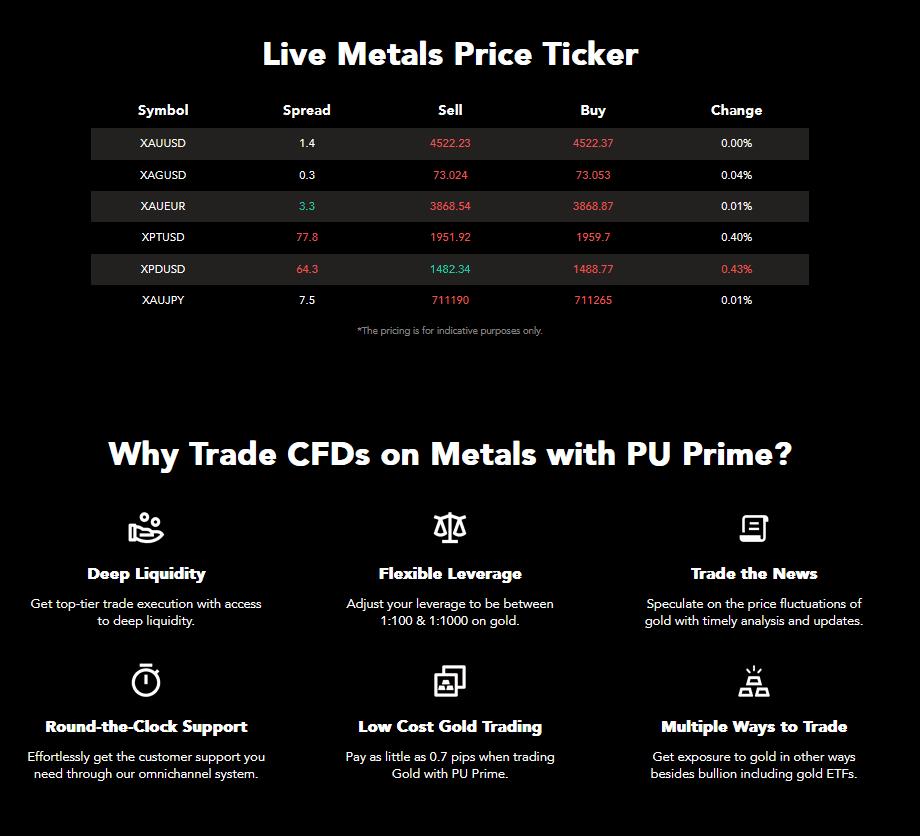
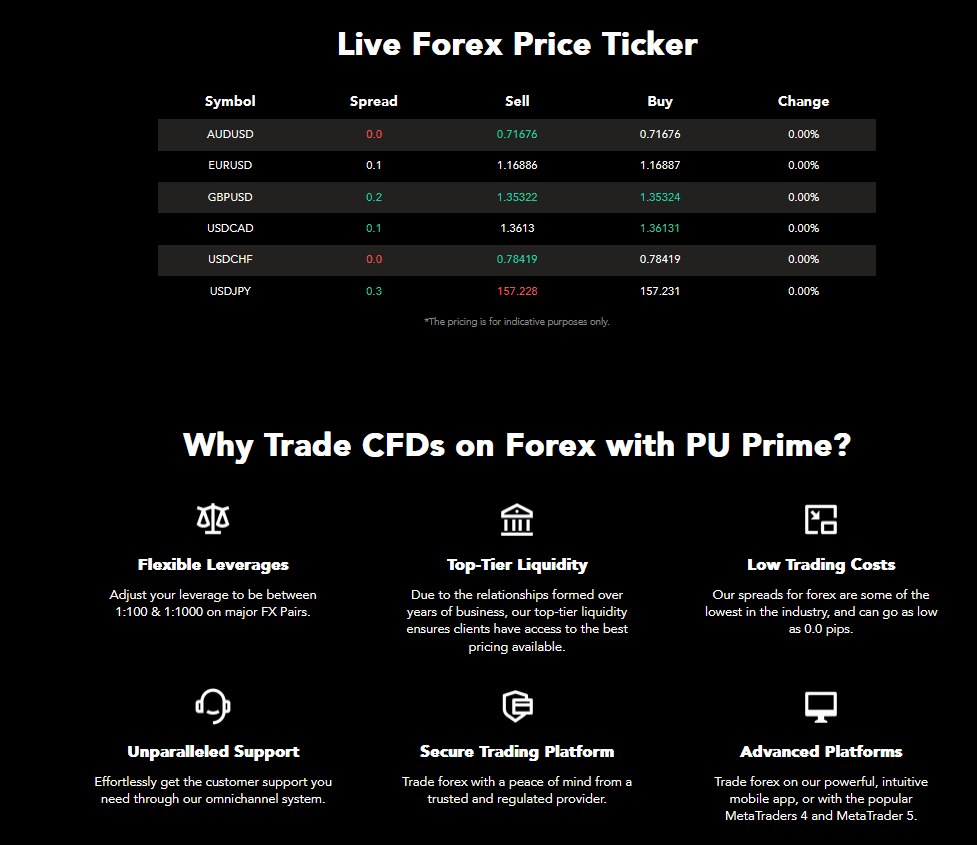
PU Prime uses variable spreads on most accounts. They widen or tighten based on market liquidity, volatility, and time of day. ECN accounts see raw interbank spreads, while Standard accounts include a small broker markup.
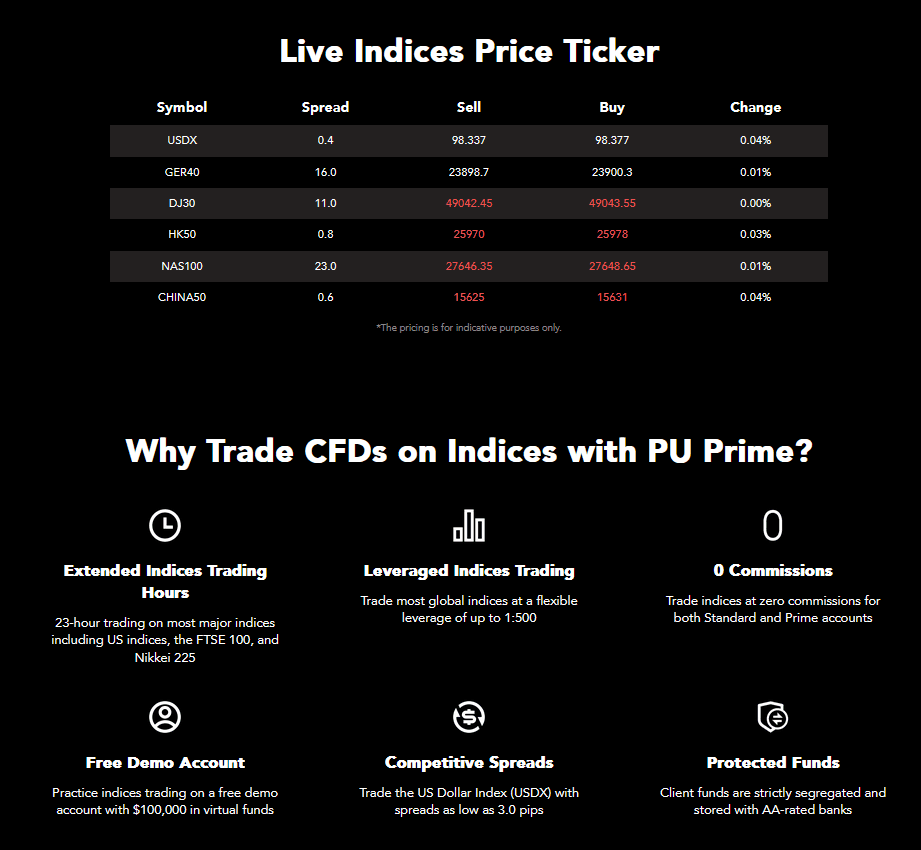
Typical PU Prime Spreads (2026) – Live Market Averages
| Instrument | Standard Account | ECN Account |
|---|---|---|
| EUR/USD | 1.2 – 1.8 pips | 0.0 – 0.3 pips |
| GBP/USD | 1.5 – 2.5 pips | 0.1 – 0.5 pips |
| XAU/USD (Gold) | 20 – 35 cents | 5 – 15 cents |
| US30 (Dow) | 2.5 – 4.0 points | 1.0 – 2.0 points |
| NAS100 (Nasdaq) | 2.0 – 3.5 points | 0.8 – 1.5 points |
| WTI Crude Oil | 3.0 – 5.0 cents | 2.0 – 3.0 cents |

Key Insight:
Standard accounts = wider spreads, zero commission.
ECN accounts = ultra-tight spreads, small commission per lot.
👉 This is the core trade-off you face with PU Prime pricing.
PU Prime Commission Structure
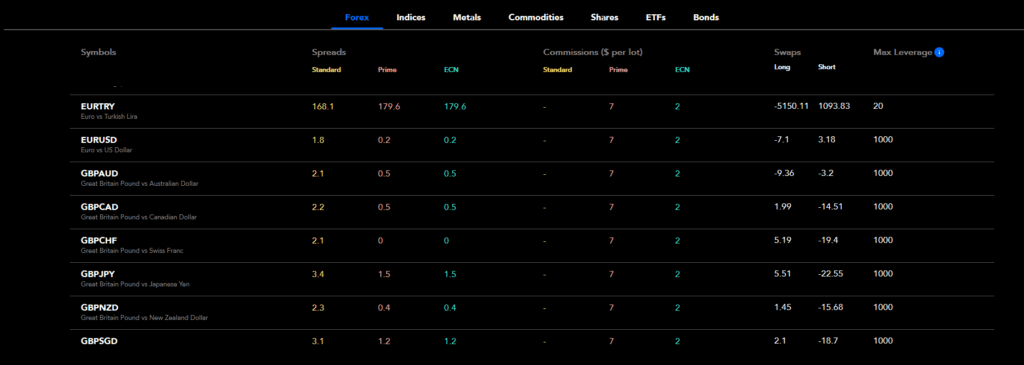
PU Prime charges a transparent commission only on ECN accounts (and sometimes on certain Prime account structures). Standard and Cent accounts have no commission—they cover all broker fees within the spread.
ECN Commission Breakdown
- Charged per lot traded, both opening and closing (round turn).
- Rates: $3.50 per side per standard lot, which equals $7.00 per full round turn (open and close).
- This is well inside the industry average (7–10 per lot RT) and makes PU Prime highly competitive for high-volume traders.
- The commission is fixed regardless of instrument, keeping costs predictable.
Example – EUR/USD 1-Lot Trade on ECN:
- Open trade: $3.50 commission
- Close trade: $3.50 commission
- Total commission = $7.00
- Meanwhile, the spread cost is nearly zero (0.2 pips average = about $2.00).
- Total cost ≈ $9.00 for the complete trade.
Compare that to a Standard account where the spread alone (1.5 pips) costs $15.00 for the same trade. The ECN model becomes dramatically cheaper as trading volume climbs.
Do Standard Accounts Have Commission?
No. Standard accounts are commission-free. But that doesn’t mean you trade for free. The broker’s fee is embedded inside the spread, which is 1–1.5 pips wider on average. This “hidden cost” can add up quickly, especially if you trade frequently.

Key Takeaway: Spread vs Commission Trade-Off
| Cost Type | Standard Account | ECN Account |
|---|---|---|
| Spread | Higher (markup applied) | Lower (raw) |
| Commission | None | Yes ($7/lot RT) |
| Cost Transparency | Low (hidden in price) | High (visible fee) |
| Best for | Beginners, low frequency traders | Scalpers, algorithmic traders, high volume |
Overnight Swap Fees (Rollover Fees)
Swap fees, also called rollover or overnight financing, kick in when you hold a position past 23:59 server time. These are not fixed and change daily based on central bank interest rates, market liquidity, and broker markup.
Swap is calculated on the full notional value of your position, not just your margin. This means leveraged positions can accumulate significant overnight costs—or even earn you a small credit if you’re on the right side of the interest differential.
Typical Swap Examples (Per Standard Lot, 2026 Market Conditions):
- Long EUR/USD: –6.50to−8.00 per night
- Short EUR/USD: +2.50to+4.00 per night
- Long Gold (XAU/USD): –12.00to−18.00 per night
- Short Gold: –3.00to−6.00 per night (usually always negative on metals)
- Long US30 (Dow): –4.00to−7.00 per night
Important Swap Rules at PU Prime:
- Triple Swap Wednesday: Most instruments charge three days’ worth of swap on Wednesday to account for weekend settlement. This single day can wipe out any gains on a slow-moving position if you’re not careful.
- Islamic Accounts: Swap-free accounts are available on request for Standard and Prime accounts. However, an administration fee is applied to positions held open for more than 5 consecutive nights, replacing the swap cost.
- Swap Transparency: PU Prime publishes live swap rates for every instrument in the client portal. You can (and should) check them before holding any trade overnight.
Deposit & Withdrawal Fees
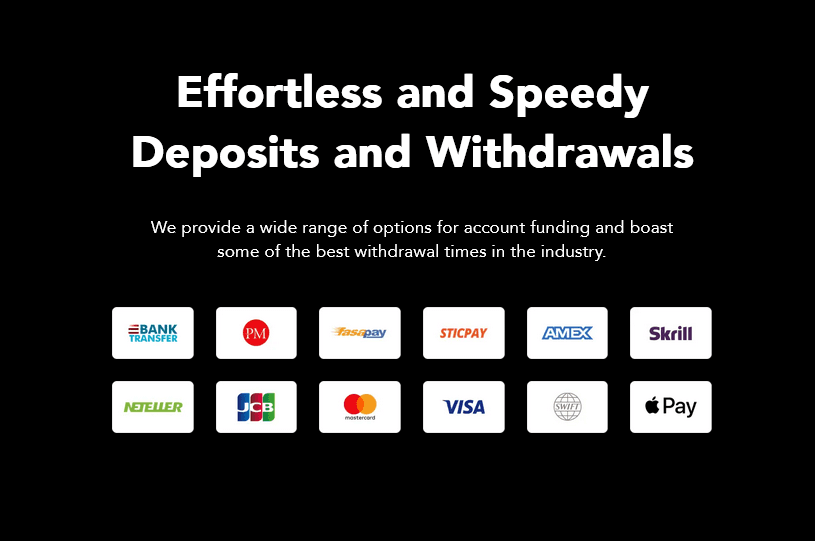
PU Prime promotes zero-fee deposits and withdrawals, which is mostly true from the broker’s side. However, there are important nuances.
Deposits:
- Most methods (e-wallets, crypto, local bank transfers) are free.
- International bank wires may attract intermediary bank fees, usually 20–50, charged by the sending or receiving bank—not PU Prime.
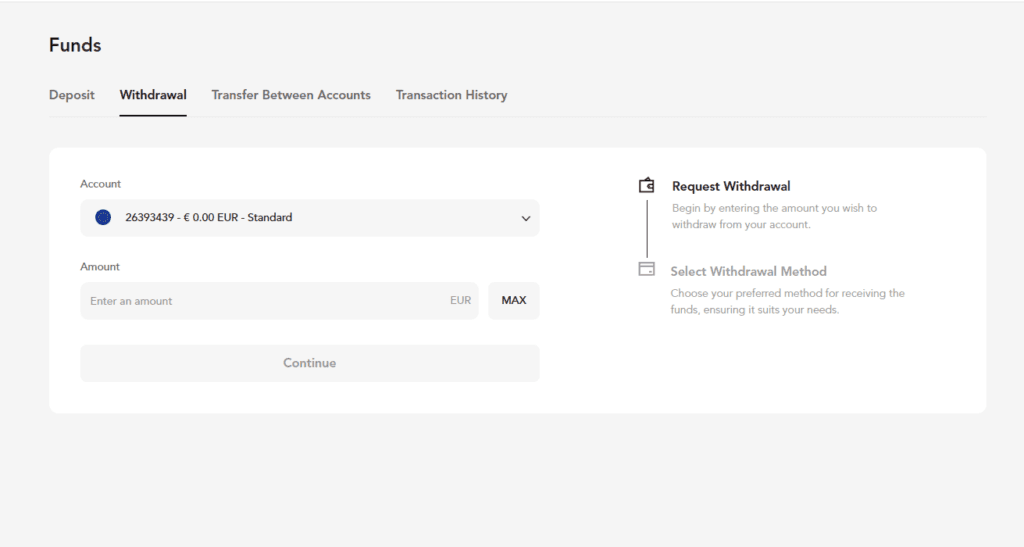
Withdrawals:
- PU Prime covers one free withdrawal per month for wire transfers. Subsequent requests may incur a $25 fee.
- E-wallet and crypto withdrawals are generally free, but third-party providers (Skrill, Neteller, USDT networks) can levy their own network/gas fees.
- Withdrawals must follow the same method as deposits due to AML rules. Trying to withdraw via a different channel often delays processing and can incur currency conversion fees.
Key Insight: Even if PU Prime charges nothing, your payment provider can still eat into your balance. Always check the final amount you receive after all chain fees.
Hidden PU Prime Fees Explained
“Hidden fees” is the most searched term alongside any broker’s name. PU Prime is relatively transparent, but there are still costs you won’t see advertised.

1. Spread Widening During Volatility
Spreads are variable. During major news events (NFP, FOMC, CPI), the EUR/USD spread on a Standard account can balloon from 1.5 pips to 5–8 pips momentarily. On an ECN account, it can jump from 0.2 to 2.0+ pips. This is not a broker trick—it reflects real liquidity gaps—but it drastically increases your entry cost if you trade the news.
2. Currency Conversion Charges
If your account base currency is different from the currency of the instrument you’re trading (e.g., a USD account trading a GBP-denominated index CFD), PU Prime applies a small conversion margin on all realized profits/losses. This is a hidden cost that multi-currency traders need to account for.
3. Inactivity Fee
PU Prime charges a $10 monthly inactivity fee after 90 calendar days of no trading activity. This is below the industry average (around $15), but it can quietly reduce an unused account balance over time. Simply placing one small trade every quarter is enough to reset the inactivity timer.
4. Bonus Trading Costs
Deposit bonuses (50% extra credit) sound great, but they are not free money. Bonuses come with strict volume requirements—typically 1 standard lot traded per $10 of bonus credit. If you withdraw before meeting the lot requirement, the bonus and any profits derived from it are removed. Worse, the bonus can encourage overtrading just to “release” it, racking up spread and swap costs that exceed the bonus value.

Reality Check: PU Prime does not charge account maintenance fees, forced subscription fees, or platform access charges. The vast majority of costs come directly from your own trading activity.
Is PU Prime Expensive?
The short answer: it depends entirely on how you trade.
PU Prime is CHEAPER for:
- Scalpers using ECN accounts (tight spreads, visible commission)
- High-volume traders doing 50+ lots per month
- Traders who close positions before rollover and avoid swaps
- Crypto deposit/withdrawal users (fast, low network fees)
PU Prime is MORE EXPENSIVE for:
- Beginners using Standard accounts (spread markup is significant over hundreds of trades)
- Swing traders holding gold or exotic pairs overnight (negative swaps pile up)
- Low-frequency traders who don’t reach the ECN volume threshold to offset commissions
A trader doing 100 standard lots a month on EUR/USD will save 600–600–800 using ECN instead of Standard. But a trader doing 3 lots a month may find the Standard account perfectly adequate and simpler to manage.
Best Account Type for Low Trading Costs
Understanding your own trading style is the cheat code to picking the right account.
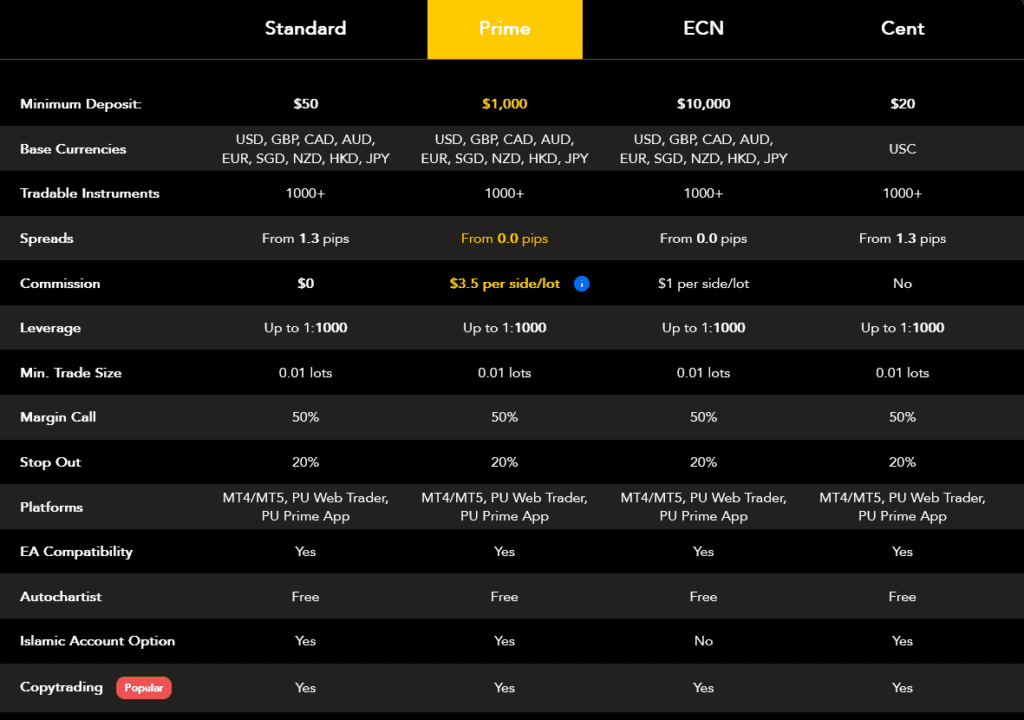
1. ECN Account – Lowest All-In Cost for Active Traders
- Best for: scalping, day trading, algorithmic strategies
- Pros: true raw spreads (0.0 pips), transparent fees, fast execution
- Cons: $7/lot RT commission means it’s not ideal for ultra-low-volume traders
2. Standard Account – Simplest but More Expensive in Spread
- Best for: beginners, casual manual traders, medium-term swing traders
- Pros: no commission, easy to calculate costs mentally
- Cons: wider spreads eat into profits, especially on exotics and gold
3. Cent Account – Learning Wheels with Real Money
- Best for: complete beginners testing the waters, strategy validation
- Pros: $20 minimum deposit, micro-lot trading (0.01% of a standard lot), low risk
- Cons: spreads are proportionally wider, making frequent trading inefficient; swaps still apply
4. Prime Account – The Sweet Spot
- Best for: intermediate traders with 1,000–5,000 who want tighter spreads than Standard but without the full ECN commission
- Spreads around 0.8 pips on EUR/USD, no commission, lower stop-out level flexibility
Which Account Is Most Cost-Efficient?
| Trader Type | Best Account | Why |
|---|---|---|
| Complete Beginner | Cent | Low capital risk, real execution |
| Casual Trader | Standard | Simple, commission-free |
| Daily Active Scalper | ECN | Raw spreads, lowest total cost |
| Swing Trader | Prime/ECN | Tighter spreads reduce slip on entries/exits |
| Low Capital (200–1k) | Cent or Standard | Choice depends on frequency |
PU Prime Total Trading Cost Model (Real Examples)
Let’s make this real. You open a 1-lot EUR/USD trade and close it the same day (no swap).
Scenario A – Standard Account
- Spread: 1.5 pips = $15.00
- Commission: $0.00
- Total cost = $15.00

Scenario B – ECN Account
- Spread: 0.2 pips = $2.00
- Commission: $7.00 round turn
- Total cost = $9.00
The ECN account already saves about $6 per trade. If you scale that to 5 trades per day over 20 trading days in a month, you’re looking at roughly $600 in savings in just one month.
Now, same trade held overnight for 3 nights (Wednesday included, so triple swap applies once).
Standard Account (no swap-free):
- Spread: $15.00
- Swap (3 nights, average –7/night+triple):approx.−35.00
- Total: $50.00
ECN Account:
- Spread + Commission: $9.00
- Swap: same -$35.00
- Total: $44.00
👉 Even with swaps, ECN still wins. The lesson: spreads matter every trade, and commissions are fixed; the trick is minimizing the spread component.
Why Spreads Matter More Than You Think
Many traders scope out a broker by looking only at commission rates, but spreads are the silent account killer. Every pip you lose on entry and exit directly impacts:
- Break-even point: You need the market to move further in your favor just to cover costs.
- Stop-loss precision: Wide spreads can trigger stops prematurely on volatile assets.
- Scalping success rate: A 0.5 pip edge can be the difference between a profitable scalping system and a slow bleed.
- Profit factor on high-frequency bots: EAs running hundreds of micro-trades see their edge vanish if spreads are marked up even slightly.
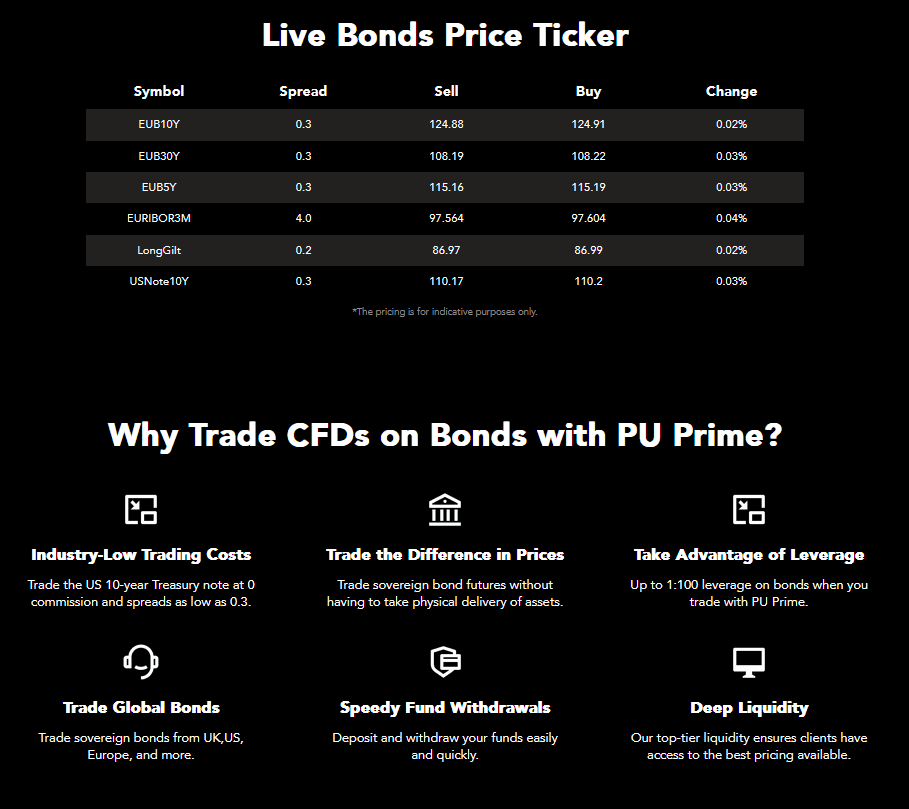
At PU Prime, the choice between Standard and ECN isn’t just about preference—it’s a mathematical decision that can decide whether you end the month green or red.
Swap Fees vs Spread: What Matters More?
This depends on your average holding time.

| Trader Type | Biggest Cost | Why |
|---|---|---|
| Scalper | Spread | Positions held seconds/minutes; no swap |
| Day Trader | Spread | Closed before rollover; spread dominates |
| Swing Trader | Swap | Holds 2–10 days; overnight financing compounds |
| Position Trader | Swap | Weeks of rollover financing can dwarf spread entry |
👉 Scalpers and day traders obsess over spreads. Swing and position traders must obsess over swap rates and the swap-free account option.
Is PU Prime Transparent with Fees?
Overall, yes. PU Prime scores well on cost clarity.
What they do well:
- Clearly separate ECN commission vs spread costs
- Display live spreads inside the client portal and app
- Provide an account comparison table
- Publish daily swap rates in an easy-to-find location
- Avoid surprise “management” or “withdrawal approval” fees

What could be better:
- The bonus trading conditions (lot requirements) are buried in fine print
- Spread widening policy during news is not explicitly explained to newcomers
- Inactivity fee is mentioned but not always prominently
Common Mistakes Traders Make with PU Prime Costs
- Choosing the wrong account type on deposit – New traders often jump into ECN attracted by “0.0 pip spreads,” not realizing the commission adds up quickly on micro-lot trades.
- Ignoring swap fees – Holding gold overnight for a week without checking the triple swap day can result in a shocking negative adjustment.
- Overtrading to release bonuses – This is the most dangerous trap. The bonus structure can nudge you into taking low-probability trades just to meet volume requirements.

- Trading during rollover or news events without understanding spread expansion – Stop orders get hit, costs explode.
- Using wire withdrawals as the primary method – International bank fees can eat 2–5% of a small withdrawal.
How to Reduce Trading Costs on PU Prime
- Use ECN if you trade more than 15 lots per month – The commission is fixed, but the spread savings outweigh it quickly.
- Deposit and withdraw via USDT (TRC-20) – Avoids bank wire fees, almost instant, and keeps your base currency stable.
- Trade during London/NY overlap (13:00–17:00 GMT) for tightest spreads – Liquidity is highest, spreads compress.
- Complete KYC immediately after sign-up – Prevents withdrawal delays and potential conversion fees when payment methods are restricted.
- Never trade purely to “release” a bonus – Only accept a bonus if your normal trading volume naturally meets the requirement.
- Monitor swap rates weekly – If you hold overnight, know what you’re paying. Consider a swap-free account if you hold for more than 3 days consistently.
Final Verdict: PU Prime Fees & Spreads (2026)
PU Prime delivers a competitive and flexible fee structure that rewards traders who understand their own style. The multi-account model—from the micro Cent account to the institutional-grade ECN environment—ensures that almost every trader finds a cost structure that fits.

Key Takeaways:
- ECN accounts provide the lowest all-in trading cost for active traders—frequently beating the industry average by 2–3 per round turn.
- Standard accounts are simple and commission-free but carry a hidden 1.2–1.8 pip markup that costs high-volume traders significantly over time.
- No major hidden fees exist outside standard industry ones (inactivity after 90 days, bonus volume terms).
- Swap fees are real and can swing your P&L on long-term holds; always check the live rates in your portal.
- Overall cost structure is competitive and transparent compared to similar multi-regulated brokers.
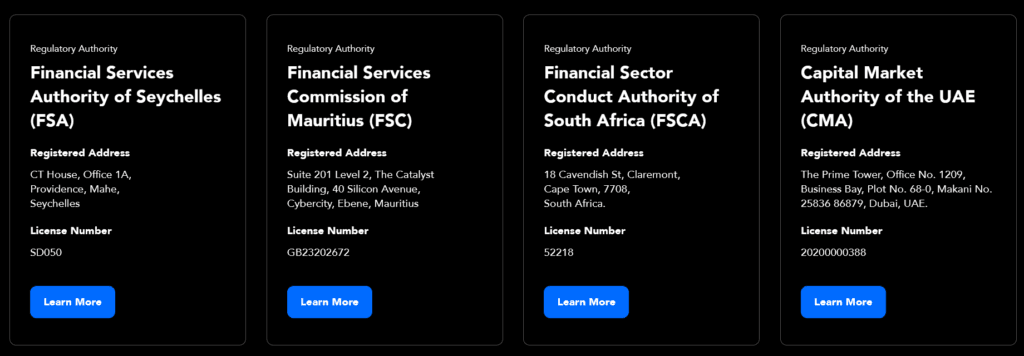
If you treat your trading like a business, PU Prime’s fee model is a genuine asset, not a liability.
PU Prime Fees Summary
What fees does PU Prime charge?
PU Prime charges trading costs through spreads, ECN commissions, and overnight swap fees. Standard accounts are spread-only with no commission, while ECN accounts offer tighter spreads but include a round-turn commission of about $7 per lot. There are no hidden platform fees, but an inactivity fee of $10 may apply after 90 days without trading, and third-party payment providers may charge fees on deposits or withdrawals.
PU Prime Reviews (Reddit + Trustpilot Experiences 2026)
Overall Rating Summary
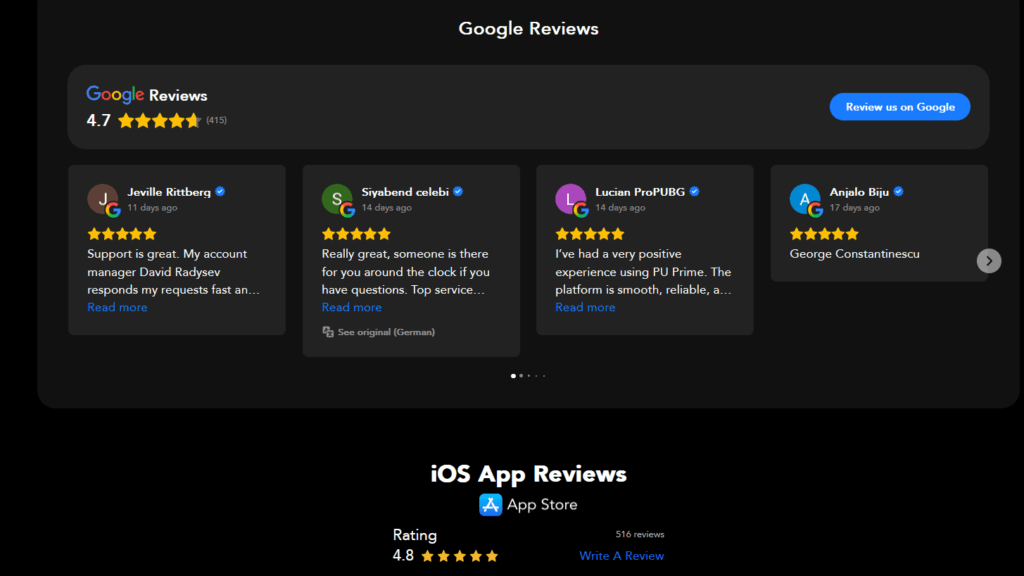
- Trustpilot sentiment: Mixed (around 3.5/5 depending on region and review batch fluctuations)
- TrustFinance score: ~82/100 (generally “trusted but not top-tier”)
- Reddit sentiment: Highly mixed (both strong supporters and strong critics)
Realistic Overall Verdict:
👉 PU Prime sits in the “mid-tier broker” category
- Not universally avoided like scam-only brokers
- Experience depends heavily on region, account type, and trading behavior
Final Overall Rating
| Category | Rating |
|---|---|
| Trading Conditions | 8 / 10 |
| Fees & Spreads | 8 / 10 |
| Platform Stability | 8 / 10 |
| Withdrawals Experience | 6.5 / 10 |
| Trust & Regulation Perception | 8 / 10 |
| Customer Support | 8 / 10 |

👉 Overall rating: 8.0 / 10 (Mid-tier broker)
PU Prime is:
- ✔ Competitive in pricing and ECN spreads
- ✔ Functional for active traders and scalpers
- ⚠ Highly dependent on account type and region
Key Insight for Traders
- Positive reviews usually come from active ECN traders
- Negative reviews often come from bonus users or high-profit accounts facing restrictions
- Experience is not uniform across all users

Keep Reading
Read more here:
- PU Prime Review 2026: Full Broker Breakdown
- PU Prime Account Types Explained
- PU Prime Minimum Deposit Guide
- PU Prime Withdrawal Guide
- PU Prime Copy Trading Review
Conclusion
Your biggest cost decision at PU Prime isn’t the broker itself—it’s the account type you choose. The difference between a $15 trade and a $9 trade may look small at first, but over 200 trades that’s a $1,200 gap. Over 500 trades, it can fund a new laptop. Over a full year of active trading, it can easily equal the cost of a family holiday.

Beginners → Cent or Standard for simplicity.
Active traders → ECN for raw pricing.
Swing traders → ECN + swap monitoring or swap-free account.
Understanding costs separates the traders who grind to zero from those who consistently extract money from the market. Now that you have the full picture of PU Prime fees, spreads, and commissions, you can open your account with confidence and pick the right trading lane from day one.

About the Author
Zahari Rangelov
Head of Business Development, TraderFactor
Zahari specializes in broker analysis, regulatory research, and trading education. He has over a decade of experience helping traders navigate the complex world of online brokers. His expertise spans technical and fundamental analysis, medium-term trading strategies, risk management, and trading psychology. A respected mentor and speaker, Zahari regularly leads webinars and seminars covering market sentiment, speculative instruments, and automated trading systems. His research-backed, practical approach has established him as a trusted authority within the global trading community.

Reviewed By:
Reviewed by Alex Kanyi, Head of Compliance at TraderFactor
“This report is for general information only. Trading involves significant risk. Seek independent advice before acting on any content.”
[Subscribe to the TraderFactor Newsletter]
Last Updated: May 2026
Disclaimer:
All information has been prepared by TraderFactor or partners. The information does not contain a record of TraderFactor or partner’s prices or an offer of or solicitation for a transaction in any financial instrument. No representation or warranty is given as to the accuracy or completeness of this information. Any material provided does not have regard to the specific investment objective and financial situation of any person who may read it. Past performance is not a reliable indicator of future performance.