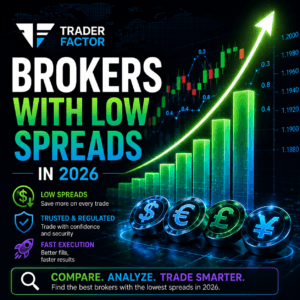

Discover the top 15 low spread brokers for 2026. Compare ActivTrades, BlackBull, TMGM, and more to slash trading costs and boost profits.
Brokers with Low Spreads in 2026: Top 15 Brokers to Save on Trading Costs
Finding a broker with low spreads is the single most effective way to keep more of your hard-earned money. Every time you open a trade, you pay a cost. If that cost is high, your potential profits shrink instantly. If that cost is low, your profits have room to grow. It is simple math, but it makes all the difference in the long run.
This comprehensive guide is designed for traders who are tired of overpaying. We are going to look closely at 15 top brokers for 2026. We won’t just list them; we will break down exactly why they matter, how their spreads work, and who they are best for.
Whether you are a scalper looking for raw speed or a beginner looking for a safe place to start, this guide has the answers.
Top Picks of Brokers with Low Spreads
If you are in a hurry, here is the “cheat sheet” of our top recommendations based on specific trading needs.
| Broker | Typical Spreads (Major FX) | Account Types | Commission | Regulated By | Best For | Special Features |
|---|---|---|---|---|---|---|
| BlackBull | From 0.0 pips (Raw) | ECN, Standard | $6/lot (Raw) | FMA, ASIC | Scalpers, Active Traders | Equinix NY4 servers, Ultra-fast execution |
| EightCap | From 0.0 pips (Raw) | Raw, Standard | $7/lot (Raw) | ASIC, FCA | Crypto & Forex, Multi-asset | 250+ Crypto CFDs, MT4/MT5, Tight crypto |
| TMGM | Avg 0.1–0.2 pips (Edge) | Edge, Classic | $7/lot (Edge) | ASIC, FMA | High-volume, Institutions | Deep liquidity, Low latency |
| FXPro | From 0.1 pips (cTrader) | MT4, MT5, cTrader | $9/lot (cTrader), None (MT4) | FCA, CySEC, FSCA | Safety, Fast Execution | Choice of platforms, No Dealing Desk |
| ActivTrades | From 0.5 pips | Individual, Professional | None (FX) | FCA, CSSF | Experienced Traders | Proprietary platform, Smart Order Exec |
| Skilling | From 0.1 pips (Premium) | Standard, Premium | $7/lot (Premium) | FSA, CySEC | Beginners, Mobile Traders | Modern UI, TradingView integration |
| NAGA | From 1.2 pips (Std); lower for VIP | Standard, VIP | None or fee on profit | CySEC | Social/Copy Trading | Social feed, Copy trading leaderboard |
| IronFX | From 0.0 pips (Zero Fixed) | STP/ECN, Fixed, Floating | Up to $18/lot (ECN) | FCA, CySEC | Bonus seekers, Variety | Bonus promos, Fixed spread option |
| OneRoyal | From 0.0 pips (VIP) | Zero Spread, Zero Commission | $7/lot (Zero Spread) | ASIC, CySEC | VIPs, High Leverage Traders | Transparent tiers, Market research |
| M4 Markets | From 0.0 pips (Elite) | Standard, Raw, Elite | $7/lot (Elite) | CySEC, FSA | Low entry cost, Global Access | $5 min deposit, Fast exec, Flexible |
| VS Capital | Variable (Competitive) | Standard, Pro | Varies | FSC | Personal Service | Boutique support, Stable spreads |
| BullWaves | From 0.0 pips (ECN) | ECN, Pro | $7/lot | LFSA | Pure ECN, Newcomers | Deep liquidity, Aggressive pricing |
| RS Prime | Institutional pricing | Prime | Negotiable | FSC | Pros, Large Volume | Custom liquidity, Low impact on big orders |
| DeltaStock | Fixed/Var (from 0.8 pips) | MT4, Delta Trading | None | FSC, FCA UK | Diversified, European Traders | 1000+ CFDs on shares, Oldest in region |
| Exante | Direct market pricing | Professional | From €1/trade | MFSA (EU) | Institutions, Multi-asset | 50+ markets, Exchange direct access |
How to use this table:
- Spreads are typical starting spreads for major forex pairs on the best account.
- Account Types shows which pricing models are available (Raw/ECN = lowest spreads, Standard = no commission).

- Commissions are listed per standard lot round-turn where applicable.
- Regulated By points to key regulators for trader safety.
- Best For is a guide to each broker’s ideal customer.
- Special Features highlight what sets each broker apart.
For the most current spreads/fees or rapidly changing regulatory info, always check the official broker website.
Why Do Low Spreads Matter So Much?
Imagine you buy a cup of coffee every single morning. If one shop charges $5.00 and the shop next door charges $3.00 for the same coffee, you save $2.00 every day. Over a year, that is more than $700 in savings.
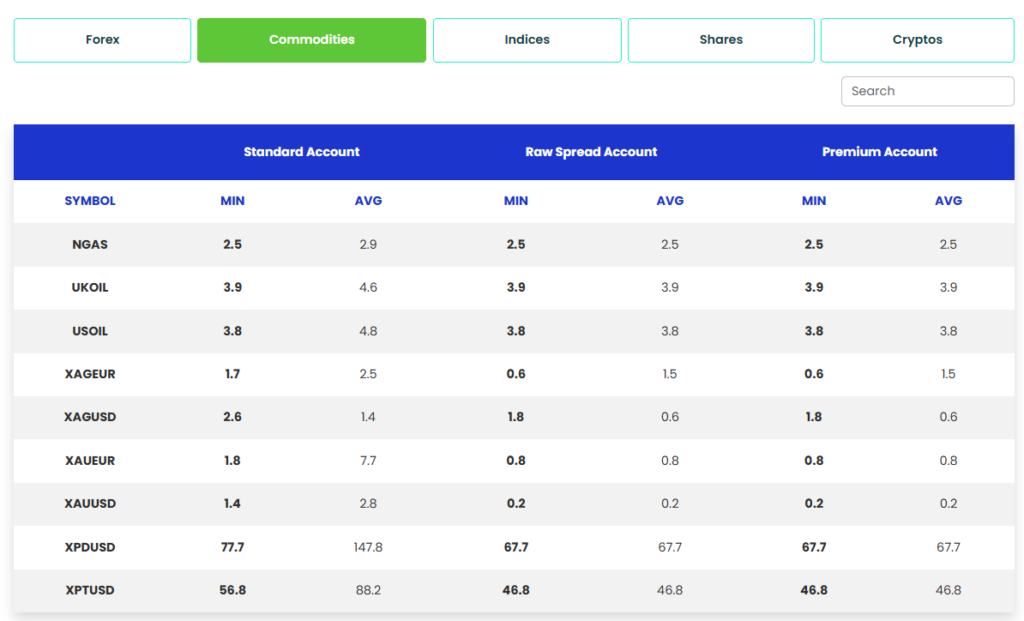
Trading works exactly the same way. The “spread” is the cost of doing business. It is the gap between the buy price and the sell price.
- Wide Spread: You pay a big fee just to open the trade. You start with a bigger loss. The market must move a lot in your favor just for you to break even.
- Low Spread: You pay a tiny fee. You start very close to the market price. You can turn a profit much sooner.
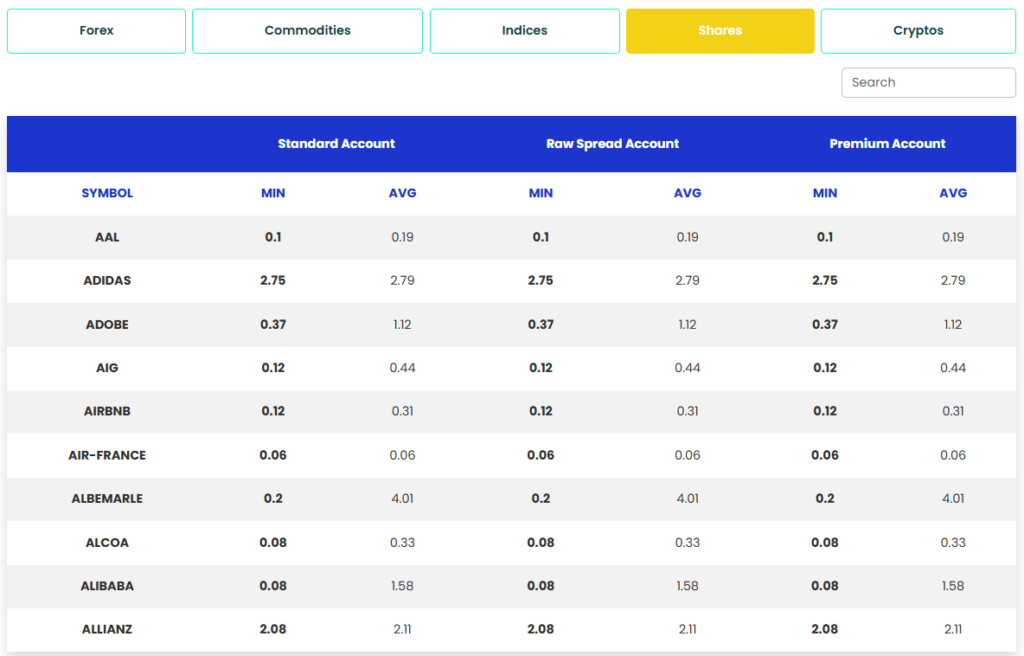
For day traders and scalpers, this is a game-changer. If you make 10 trades a day, a high spread will eat your account alive. A low spread gives you a fighting chance to be profitable.
The “Breakeven” Barrier
Think of the spread as a wall you have to climb over.
- High Spread: The wall is 10 feet high. It takes a lot of energy to get over it before you can start running.
- Low Spread: The wall is 1 foot high. You step over it easily and start running immediately.

In 2026, with markets moving faster than ever, you cannot afford a 10-foot wall. You need the lowest barrier possible.
The Real Cost of Trading: Spreads vs. Commissions
Before we look at the brokers, we need to clear up a common confusion. “Zero spread” does not always mean “zero cost.”
Brokers need to make money. They usually do it in one of two ways:
The Markup (Standard Account): They give you the market price but add a little bit on top.
- Example: Market price is 1.1000. Broker gives you 1.1001.
- Cost: You pay no separate fee, but the price is slightly worse.
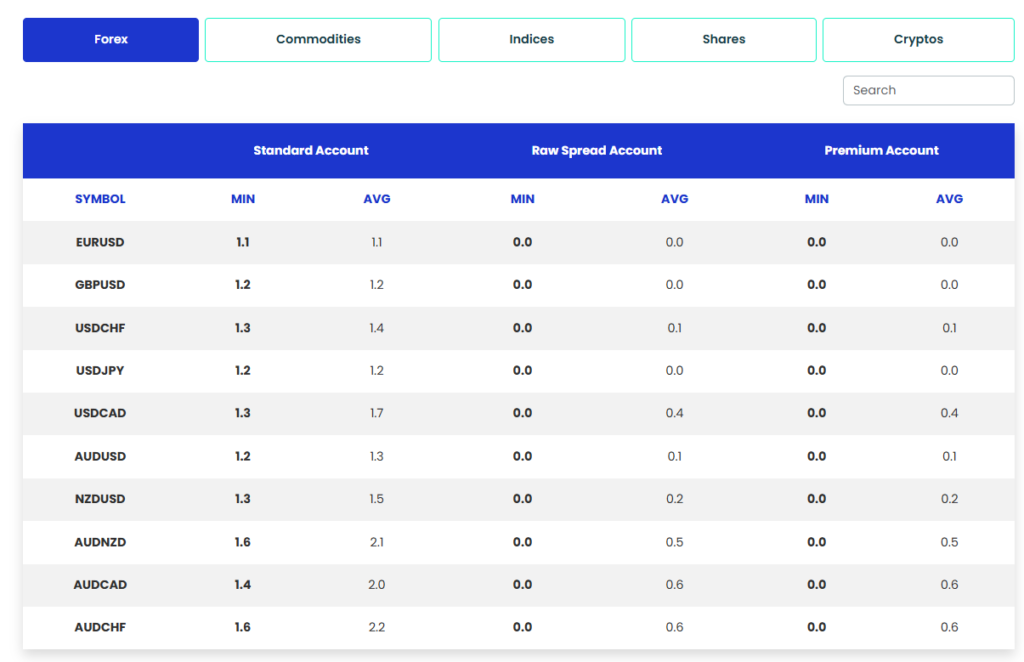
The Commission (Raw/ECN Account): They give you the exact market price but charge a flat fee.
- Example: Market price is 1.1000. Broker gives you 1.1000.
- Cost: You pay $3.50 to open the trade.
Which is cheaper?
Usually, the Commission model is cheaper for active traders. The raw spread is so low (often zero) that paying the small commission is still better than paying the markup.
Detailed Broker Reviews: The Top 15
We have selected 15 brokers that are leading the pack in 2026. We analyzed them based on cost, speed, and trust.

1. BlackBull Markets
Best For: High-volume traders and scalpers.
BlackBull Markets has built a reputation for speed. Based in New Zealand, they are an ECN broker. This means they connect you directly to the market without interfering.
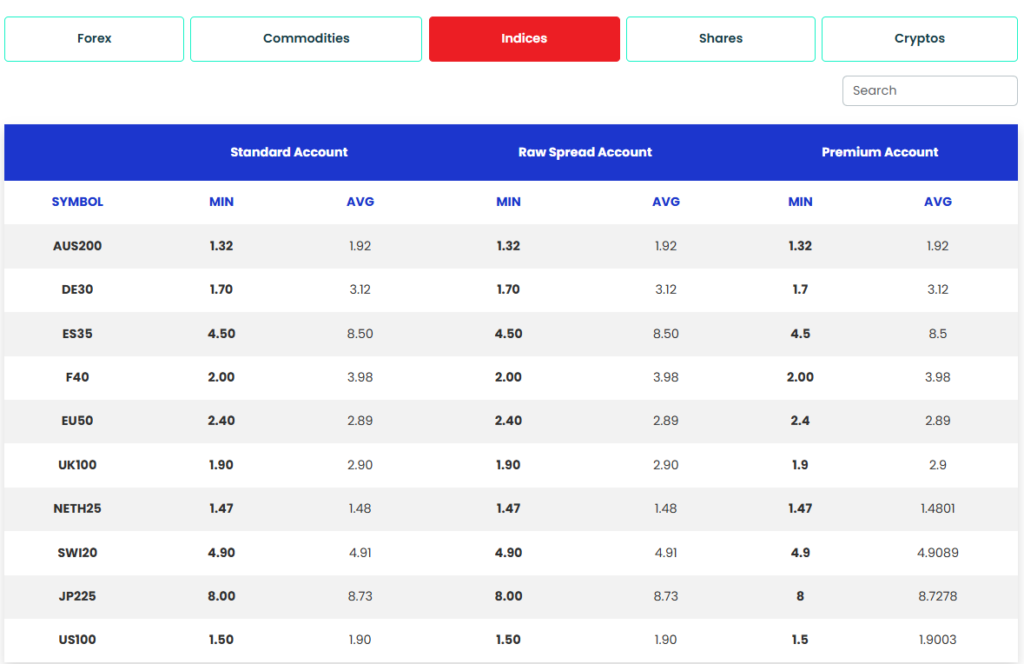
- The Spreads: On their ECN Prime account, spreads often start at 0.0 pips. You are seeing raw market prices.
- The Cost: Because spreads are so low, they charge a commission. It is usually around $6.00 per lot round turn.
- Speed: Their servers are located in New York (Equinix NY4), right next to the major exchanges. This means execution is lightning fast.

Verdict: If you use automated trading robots (EAs) or scalp the market for small profits, BlackBull is a top-tier choice.
2. EightCap
Best For: Crypto and Forex traders who hate fees.
EightCap has exploded in popularity because they solved a big problem: expensive crypto trading. Most brokers charge huge fees for Bitcoin or Ethereum. EightCap keeps it cheap.
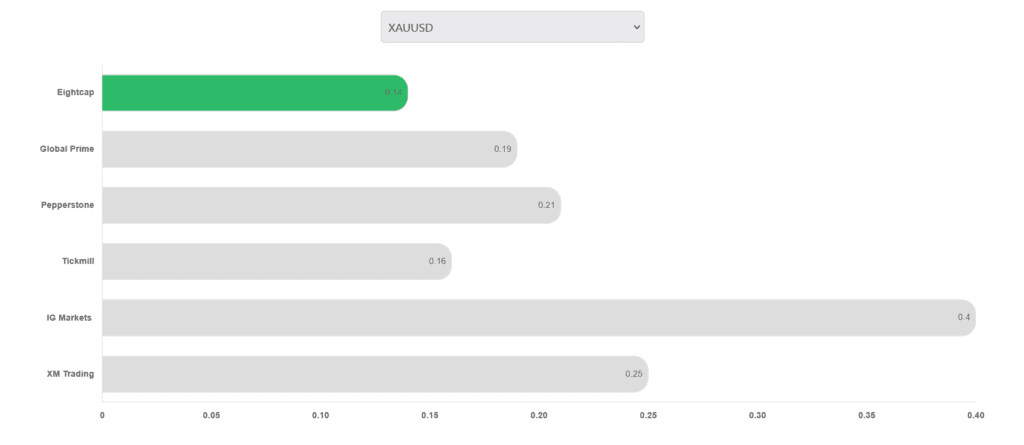
- The Spreads: Their Raw Account offers 0.0 pips on major forex pairs like EUR/USD.
- Crypto: They offer over 250 crypto derivatives with very tight spreads compared to the industry average.
- The Cost: Like BlackBull, you pay a small commission on the Raw account.
Verdict: If you want to trade Bitcoin on the weekend and Forex during the week from the same account, EightCap is hard to beat.
3. TMGM (Trademax Global Markets)
Best For: Traders who want variety and heavy liquidity.
TMGM processes a massive amount of trading volume. Because they are so big, they can negotiate better prices from banks, and they pass those savings to you.


- The Spreads: They use top-tier liquidity providers. Spreads are consistently low, often averaging 0.1 or 0.2 pips on EUR/USD in their Edge account.
- The Cost: Commission is competitive ($7 round turn). There are no hidden fees for deposits or withdrawals.
- Market Depth: This is crucial. It means you can trade large sizes without “slipping” the price.

Verdict: A solid, reliable all-rounder. Great for traders who are scaling up their account size.
4. FXPro
Best For: Traders who want a big, trusted brand.
FXPro is a giant. They have been around for a long time and have sponsorships with major sports teams. They are very safe and heavily regulated.
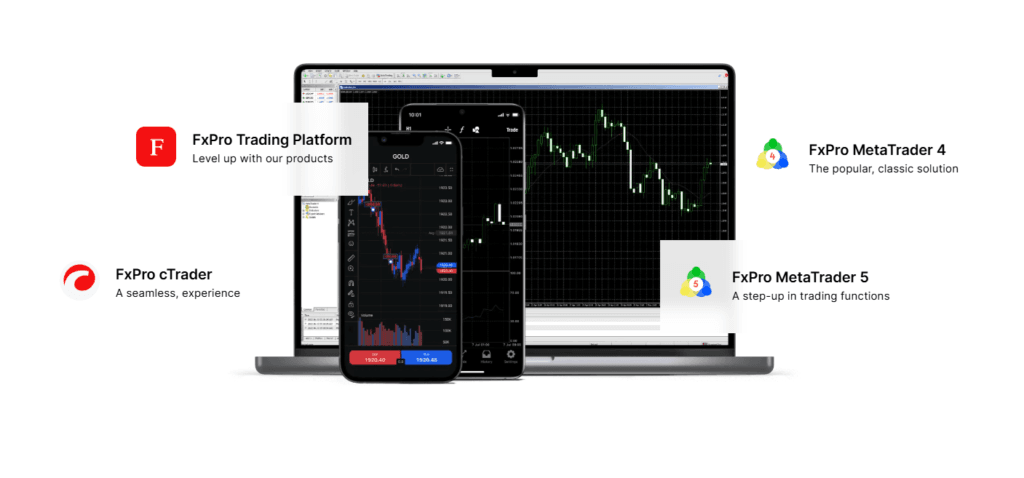
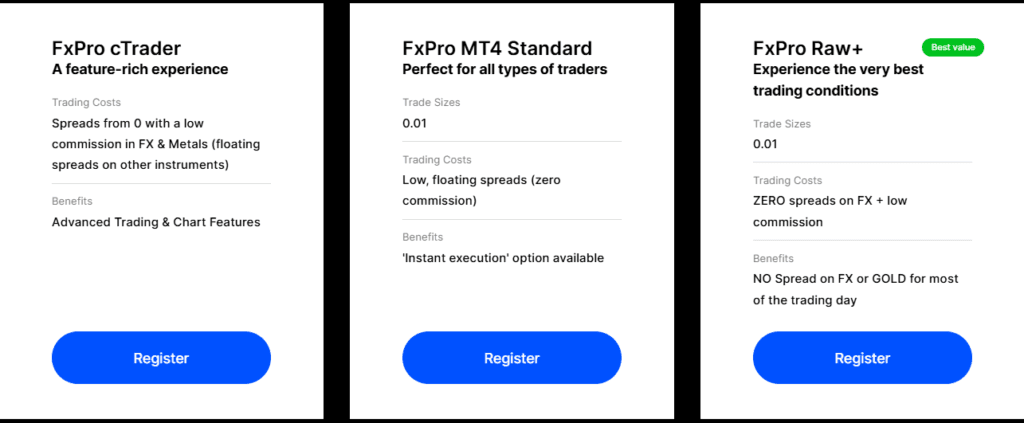
- The Spreads: FXPro offers multiple pricing models. Their floating spreads on the cTrader platform are excellent.
- Execution: They are famous for “No Dealing Desk” execution. Most trades are filled in under 11 milliseconds.
- The Cost: You can choose between paying a commission or having a slightly wider spread.

Verdict: If safety is your #1 concern, FXPro is the way to go. You might pay slightly more than a budget broker, but the peace of mind is worth it.
5. ActivTrades
Best For: Experienced traders who want a premium feel.
ActivTrades is a UK-based powerhouse. They focus on quality over quantity. They don’t just offer MT4; they have their own advanced platform called ActivTrader.
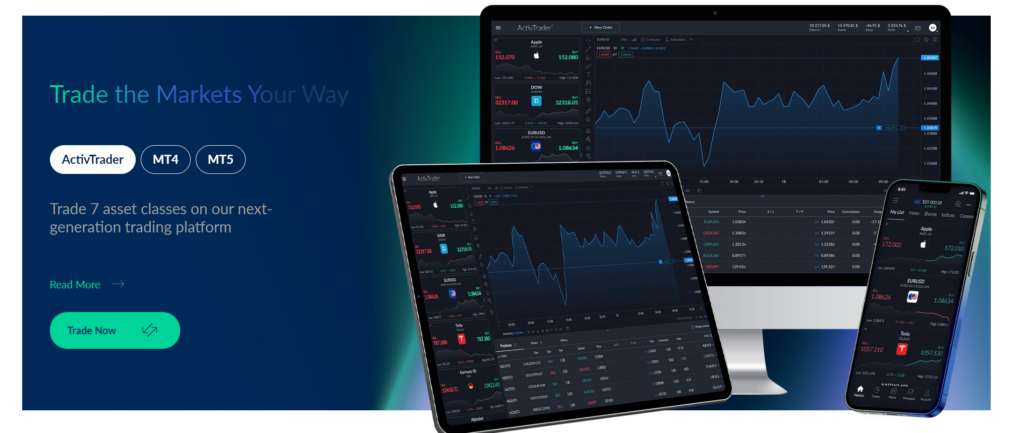
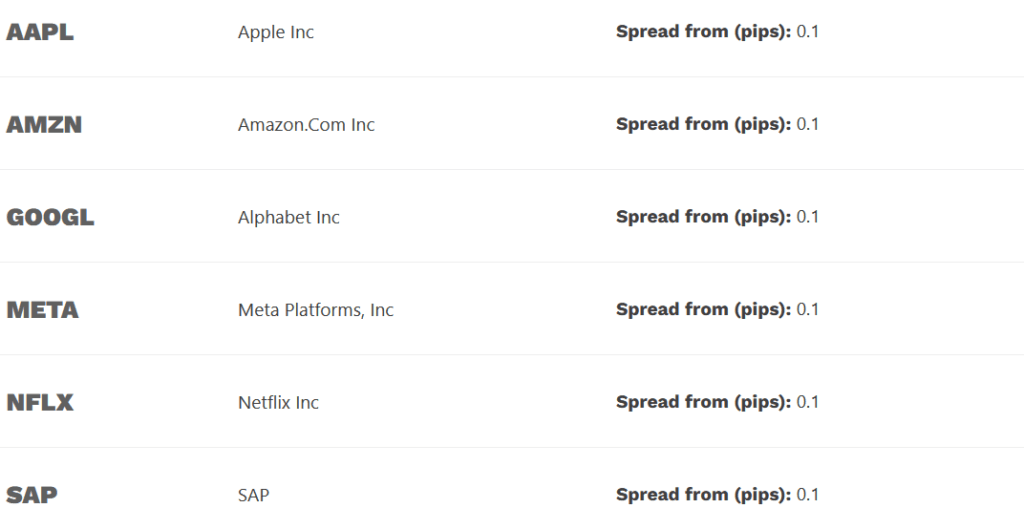
- The Spreads: They offer spreads from 0.5 pips on major pairs.
- No Commission: They generally do not charge a separate commission on forex. The cost is built into that 0.5 spread.
- Tech: Their “Smart Order Execution” helps prevent you from getting a bad price when the market moves fast.

Verdict: A premium experience. Great for swing traders who want a clean, professional environment.
6. Skilling
Best For: Beginners and mobile traders.
Skilling is a modern fintech broker. Their platform feels like a modern app (think Spotify or Uber) rather than complex financial software.
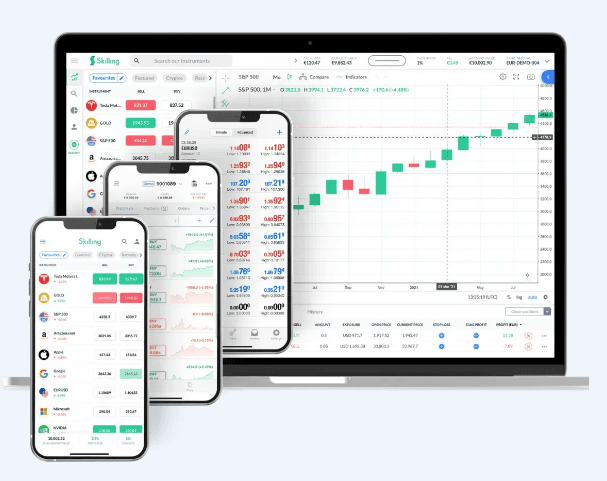
- The Spreads: Skilling offers spreads from 0.1 pips on their Premium account.
- The Interface: It is incredibly easy to navigate. It integrates with TradingView, the world’s best charting tool.
- The Cost: You need a slightly higher deposit ($5,000) to unlock the Premium account with the best spreads.

Verdict: The best user experience on the list. If you trade on your phone, get Skilling.
7. NAGA
Best For: Social traders and copy trading.
NAGA is the “Facebook of Trading.” You can see what other traders are doing, chat with them, and copy their trades automatically.
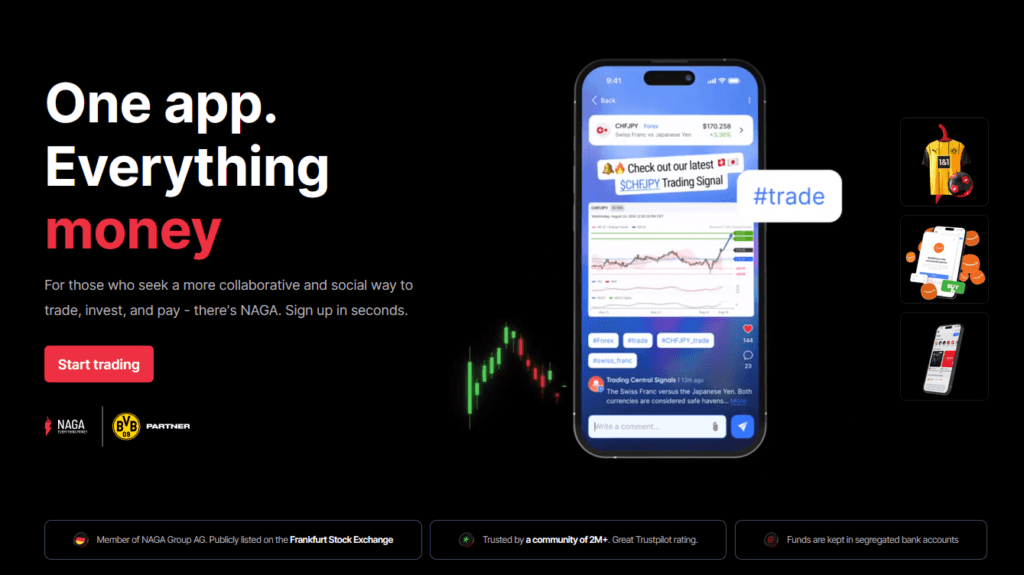
- The Spreads: Variable. On major pairs, they are competitive (around 1.2 pips on Standard). However, VIP levels get much lower spreads.
- Social: The real value here isn’t just the spread; it’s the ability to copy a pro who knows how to beat the spread.
- The Cost: You pay a fee on profits if you copy someone.

Verdict: Don’t want to trade alone? NAGA is the best community-driven broker.
8. IronFX
Best For: Traders who like bonuses and contests.
IronFX is very active. They often run big competitions with cash prizes. They have a huge menu of assets.
- The Spreads: They offer a “Zero Fixed Spread” account. This is unique. You know exactly what the spread will be, regardless of market news.
- Flexibility: They have so many account types (Live Floating, Live Fixed, STP/ECN) that you can build the exact setup you want.

Verdict: If you like competing and want a fixed cost structure, check out IronFX.
9. OneRoyal
Best For: Traders who want high leverage and VIP options.
OneRoyal separates accounts clearly by “Zero Commission” and “Zero Spread.” It is very transparent.

- The Spreads: On the Zero Spread (VIP) account, spreads really do hit 0.0 pips.
- The Cost: The commission is $3.50 per side ($7 total), which is standard.
- Education: They provide excellent market analysis and daily updates.

Verdict: A transparent, reliable broker with great VIP tiers for larger accounts.
10. M4 Markets
Best For: Global traders looking for low entry costs.
M4 Markets is growing fast by focusing on technology to keep spreads tight.
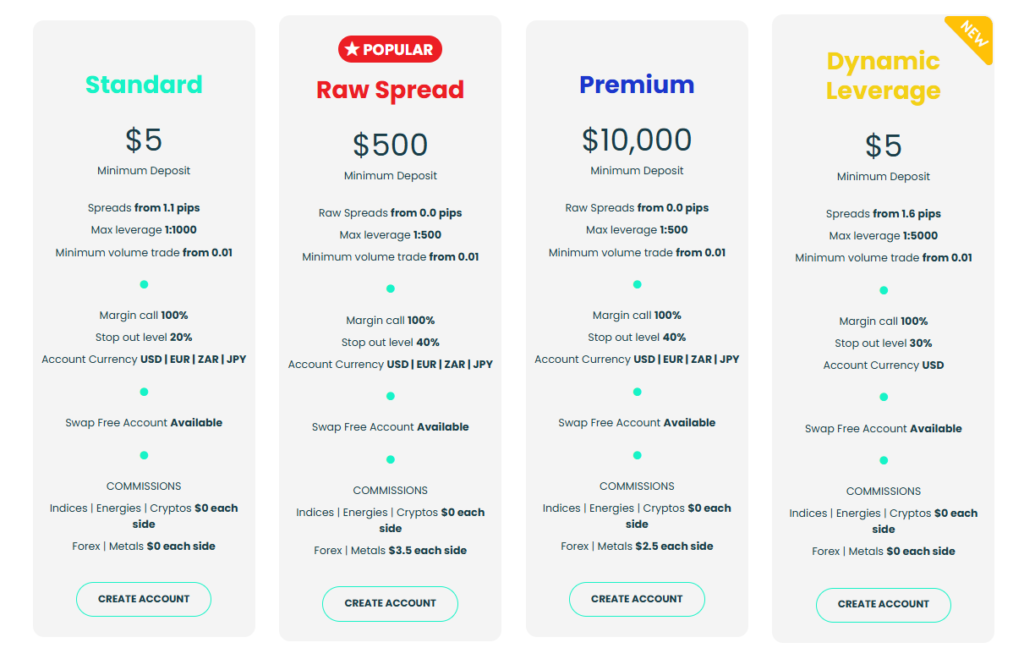
- The Spreads: Their Elite account boasts spreads starting from 0.0 pips.
- Entry: The Standard account requires a very small deposit ($5). The Elite account needs $500 but gives you much cheaper trading costs.
- Speed: They invest heavily in low-latency servers to avoid slippage.
Verdict: Low barrier to entry. You can start small and upgrade to “Elite” pricing quickly.
11. VS Capital
Best For: Traders looking for personal service.
VS Capital is a boutique broker. They are not as famous as the giants, but they focus on personal relationships.
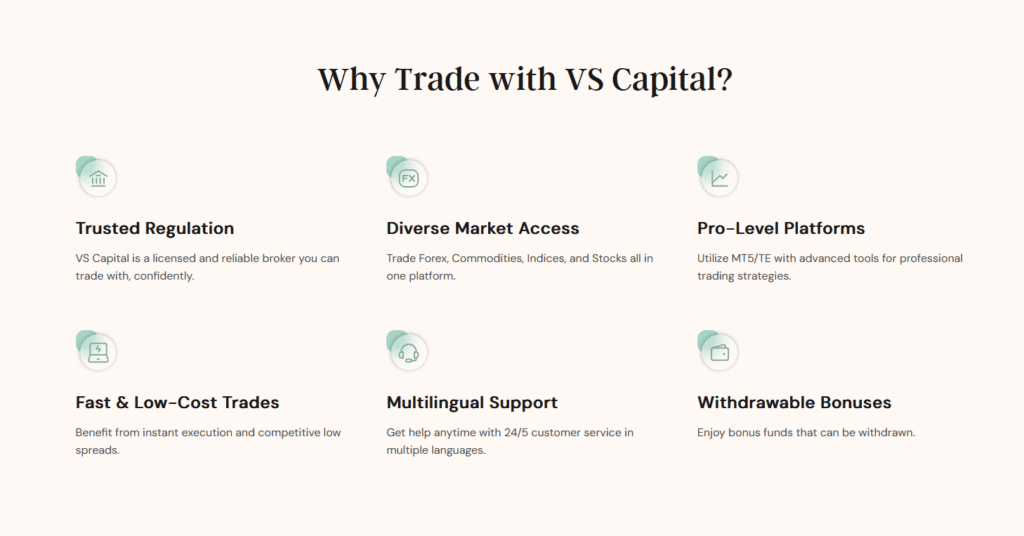
- The Spreads: Competitive variable spreads. They aim for stability during volatile hours.
- Service: You are less likely to be “just a number” here. Support is often more responsive.

Verdict: Good for traders who want a broker that actually answers the phone.
12. BullWaves
Best For: Traders who want pure ECN conditions.
BullWaves is a newer name, aggressive about offering the best price feeds to win customers.
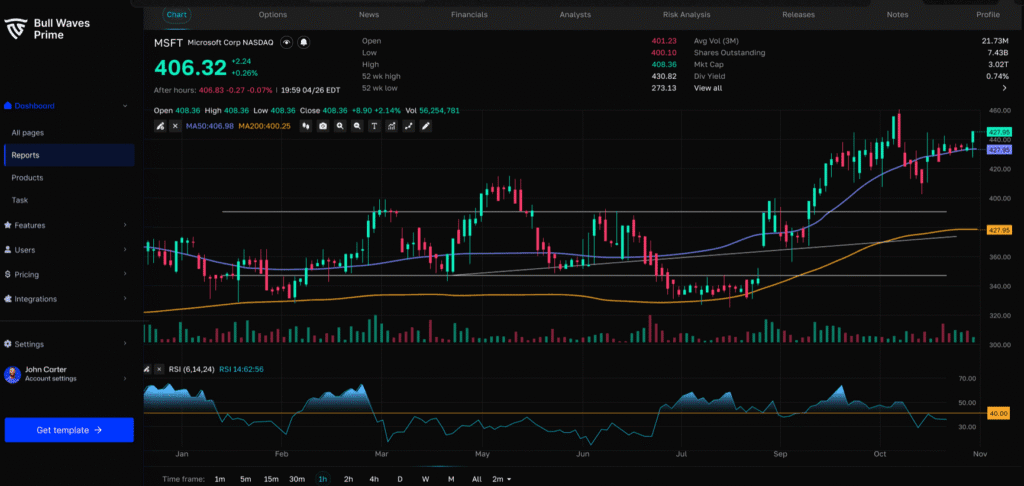
- The Spreads: They connect to deep liquidity pools, keeping spreads tight on gold and forex.
- The Cost: They rely on a commission model for their best accounts to keep the spread raw.

Verdict: A hungry newcomer worth watching for aggressive pricing.
13. RS Prime
Best For: Professional traders needing prime brokerage features.
RS Prime isn’t for the average hobbyist. They focus on institutional-grade trading.
- The Spreads: Institutional pricing. This is the pricing banks give to each other.
- The Cost: Usually requires a higher minimum deposit, but the cost per trade is incredibly low.
Verdict: If you are trading with a large account ($50k+), RS Prime is built for you.
14. DeltaStock
Best For: European traders and diverse assets.
DeltaStock has been around for over 20 years. They are very strong in Eastern Europe.

- The Spreads: Fixed spreads on some accounts, variable on others.
- Assets: Their range of CFDs on shares is massive (over 1000).
- Platform: They have their own platform, Delta Trading, which often has better pricing than MT4.

Verdict: A stable veteran with a massive selection of stocks.
15. Exante
Best For: Professional investors wanting direct market access.
Exante is a prime broker giving you access to 50+ markets from one account.
- The Spreads: You get direct exchange access. You see the real price of the stock on the NYSE or Nasdaq.
- The Cost: Low commissions, but high minimum deposit (often €10,000).
- One Account: Trade US tech stocks, German bonds, and Japanese Yen all from one screen.

Verdict: The ultimate “one-stop-shop” for serious professionals.
Comparing Account Types: Standard vs. ECN
This is where many new traders lose money. They pick the wrong account type. Let’s simplify it.
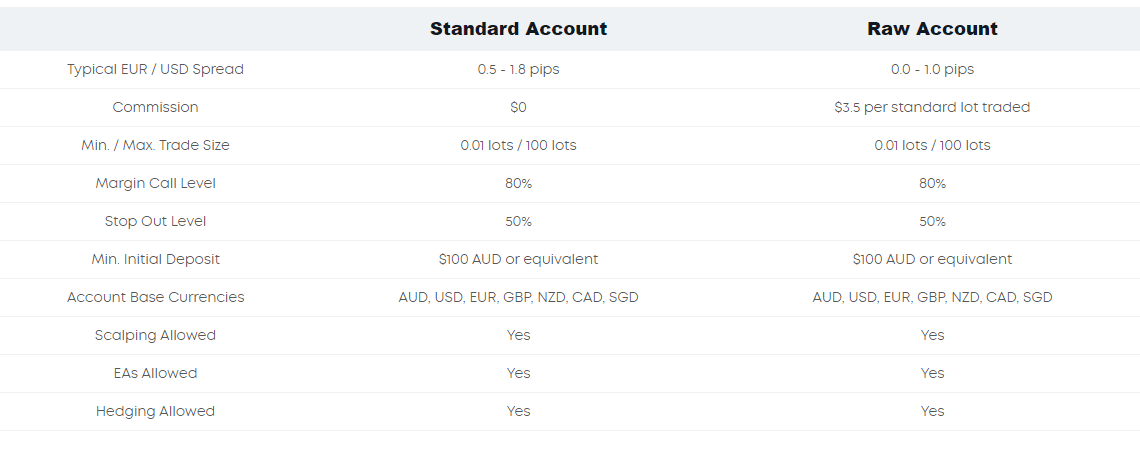
1. The Standard Account (STP)
- How it works: The broker takes the bank price and adds a markup.
- Spread: Wider (e.g., 1.2 pips).
- Commission: None ($0).
- Best for: Swing traders, beginners, news traders.
- Why? It is simple. The math is easy.
2. The Raw / ECN Account
- How it works: The broker gives you the raw bank price.
- Spread: Tiny (e.g., 0.1 pips).
- Commission: Yes (e.g., $7 per round trade).
- Best for: Scalpers, Day Traders, Algo Traders.
- Why? It is mathematically cheaper if you trade often.
The Math Check:
- Standard: 1.5 pip spread on 1 lot EUR/USD = $15 cost.
- Raw: 0.1 pip spread ($1) + $7 commission = $8 cost.
Winner: The Raw account saves you almost 50% in this example. This is why pros use brokers like BlackBull and TMGM.
Key Factors Beyond Spreads
Low spreads are great, but they aren’t everything. Here are three other things that must be on your checklist.
1. Execution Speed (Slippage)
If a broker has low spreads but slow servers, you will lose money.
- Scenario: You click buy at 1.1000.
- Slow Broker: Processes it 2 seconds later. Price is now 1.1005. You lost 0.5 pips.
- Fast Broker: Processes it in 0.05 seconds. You get 1.1000.

BlackBull and TMGM are famous for low latency (high speed).
2. Swap Rates
This is the hidden killer for swing traders. Swap is the interest you pay to hold a trade overnight.
- Some “low spread” brokers charge triple the normal swap rate to make up for lost revenue.
- Always check the swap rates if you plan to hold trades for more than 24 hours.

3. Regulation
Never trade with an unregulated broker. If they go bankrupt, your money is gone.
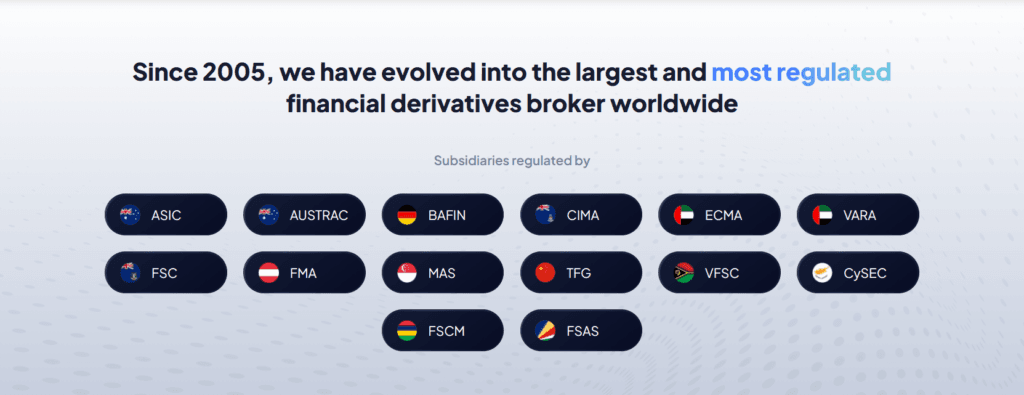
- Look for licenses from: FCA (UK), ASIC (Australia), or CySEC (Cyprus).
- FXPro, ActivTrades, and EightCap all hold high-level licenses.
Red Flags: How to Avoid “Fake” Low Spreads
Marketing can be tricky. Here is how to spot the fakes in 2026.
The “As Low As” Trap
You see a banner: “Spreads as low as 0.0 pips!”
- Reality: The spread hits 0.0 pips for one second at 3:00 AM. The rest of the day, it is 1.5 pips.
- Solution: Ignore the “minimum” spread. Look for the “Average Spread.” Honest brokers publish this.
The News Spike
Some brokers have low spreads when the market is quiet. But the moment news hits (like inflation data), they widen the spread to 10 pips.
- Solution: Test a broker on a Demo account during a news event. Watch the spread. Does it stay stable? Fixed spread accounts (like at IronFX) can protect you from this.

The Withdrawal Fee
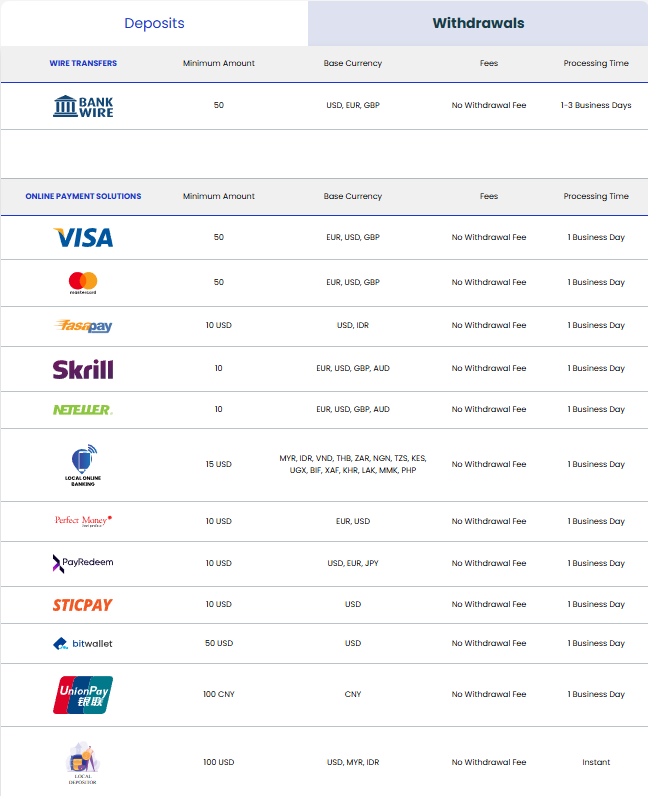
You save $50 on spreads, but then the broker charges you $50 to withdraw your cash.
- Solution: Check the banking page before you deposit. TMGM and EightCap are known for low banking fees.
FAQ: Common Questions Answered
Here are the specific questions we hear most often from traders.
Which broker has the lowest gold spreads?
Gold (XAU/USD) is volatile. Spreads vary wildy.
- TMGM is a standout for gold. They have deep liquidity providers specifically for metals.
- OneRoyal and IronFX also offer very competitive terms.
- Target: Look for a broker offering spreads under 20 cents on Gold.
Is an ECN account always better?
Not always.
- If you trade very small sizes (Micro lots / 0.01), the minimum commission might actually be expensive.
- If you trade long-term (holding for weeks), the spread matters less than the Swap fee.
Can I trust a broker with low spreads?
Yes, if they are regulated.
- Low spreads are not a scam; they are a business model.
- Brokers like Exante and ActivTrades have been operating safely with low spreads for over a decade.

What is the best broker for beginners?
- Skilling: Easiest to learn.
- NAGA: Best for help/copying.
- M4 Markets: Good for small deposits.
- Advice: Avoid “Pro” brokers like RS Prime until you have experience.
Conclusion: Your 2026 Trading Plan
The broker landscape in 2026 is competitive. This is good news for you. Brokers are fighting for your business by lowering costs.
Your Action Plan:
- Define your style. Are you a scalper (needs raw speed) or a swing trader (needs low swaps)?
- Pick your top 2. Based on our list, select two brokers that fit your style.
- Test them. Open a demo account with both. Watch the spreads during active hours (London/NY overlap).
- Check the math. Calculate the total cost (Spread + Commission).

Our Final Recommendations:
- For pure speed and low cost: Go with BlackBull Markets.
- For crypto and flexibility: Go with EightCap.
- For safety and reliability: Go with FXPro or ActivTrades.
- For volume and depth: Go with TMGM.
Don’t let high fees eat your profits this year. Switch to a low-spread broker and keep more of what you earn.
Read These Next
| Topic | Article | Category |
|---|---|---|
| Eightcap Spreads, Fees & Commissions Deep dive into one of the top low-spread brokers — Raw vs Standard accounts, EURUSD from 0.0 pips | Eightcap Spreads, Fees & Commissions Explained | Fees |
| PU Prime Fees & Costs (2026) ECN vs Standard — raw spreads from 0.0 pips + $7/lot commission | PU Prime Fees, Spreads & Commissions (2026) | Fees |
| PU Prime Account Types Cent, Standard, Prime, and ECN accounts — choose based on style, capital, and costs | PU Prime Account Types Explained (2026) | Account Types |
| FxPro Fees & Hidden Costs Spreads, commissions, and swap fees across account types | FxPro Fees Explained (2026) | Fees |
| Why OneRoyal Spreads Are So Low Raw Spread account model — interbank spreads with transparent commissions | OneRoyal Spreads Explained (2026) | Spreads |
| Highest Leverage Forex Brokers 2026 Top 10 compared — M4 Markets offers 1:5000 with raw spreads from 0.0 pips | Highest Leverage Forex Brokers 2026 | Leverage |
| Best Forex Brokers for Beginners 2026 Top 5 safe & easy options — IronFX, Admirals, NAGA, FxPro, OneRoyal | Best Forex Brokers for Beginners (2026) | Beginners |
| OANDA Review Established since 1996 — competitive spreads, no minimum deposit, regulated in 196 countries | OANDA Review | Broker Review |
| How to Verify If a Forex Broker Is Regulated Low spreads mean nothing if the broker isn’t safe — verify FCA, CySEC, ASIC | How to Verify If a Broker Is Regulated | Regulation |
| M4 Markets Partners with TraderFactor Broker offering raw spreads from 0.0 pips with a $5 minimum deposit | M4 Markets Partners with TraderFactor | Broker News |
Disclaimer:
All information has been prepared by TraderFactor or partners. The information does not contain a record of TraderFactor or partner’s prices or an offer of or solicitation for a transaction in any financial instrument. No representation or warranty is given as to the accuracy or completeness of this information. Any material provided does not have regard to the specific investment objective and financial situation of any person who may read it. Past performance is not a reliable indicator of future performance.