
Learn how to check if your forex broker is truly regulated. Step-by-step guide with FCA, CySEC, and offshore examples. Protect your funds in 2026.
How to Verify If a Forex Broker Is Really Regulated (2026 Step-by-Step Guide)
You’ve found a broker. The website looks professional. The spreads are tight. The bonus is tempting.
But before you deposit a single dollar, one question matters more than any other:
“Is this broker actually regulated?”
Not “claims to be regulated.” Not “has a license number somewhere in the footer.” But really, truly, verified-by-the-authorities regulated.
Here’s why it matters: In 2026, the difference between a regulated broker and an unregulated one is often the difference between getting your money back and watching it disappear.
- Regulated brokers answer to someone. Unregulated brokers answer to no one.
- Regulated brokers segregate client funds. Unregulated brokers use your deposits as operating cash.
- Regulated brokers offer recourse when things go wrong. Unregulated brokers simply vanish.
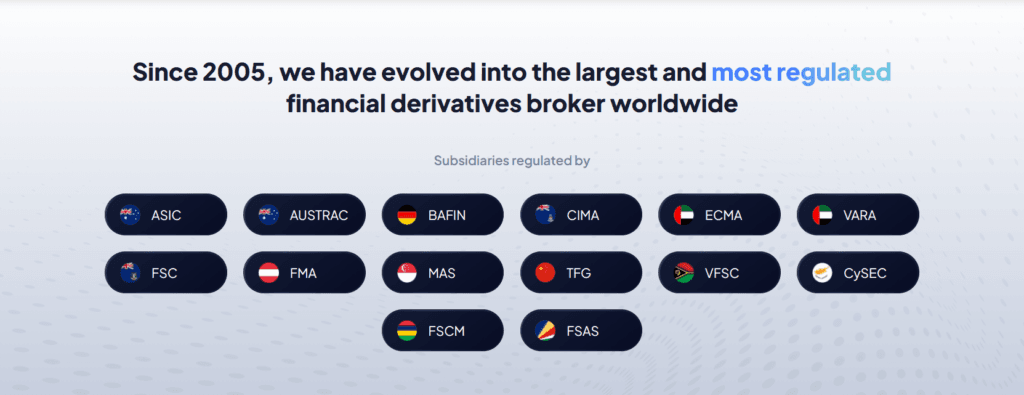
The problem? Scammers have gotten good at looking legitimate. Fake license numbers, clone websites, and expired registrations trap thousands of traders every year.
This guide cuts through the noise. You’ll learn exactly how to verify any broker’s regulation in under 5 minutes using the same methods professional traders and investigators use.
No guesswork. No trust-me-bro advice. Just step-by-step verification that works.
Key Takeaways
- Regulation is not just a badge – it determines whether your funds are protected if something goes wrong.
- Verification takes 5 minutes – if you know where to look and what to check.
- Tier 1 regulators (FCA, CySEC, ASIC) offer real protection; offshore licenses (FSA, VFSC) are basic registrations with minimal oversight.
- Clone firms and fake licenses are common – always verify directly on the regulator’s official website.
- TraderFactor does this work for you – every broker review includes verified license links and last-checked dates.
Top Brokers Regulated by the FCA, CySEC and ASIC
| Broker | Regulators (by Tier) | Primary Tier 1 Regulators | Key Offshore Regulators |
|---|---|---|---|
| IronFX | FCA, CySEC, FSCA, BMA | FCA (UK), CySEC (Cyprus) | FSCA (South Africa), BMA (Bahamas) |
| Admirals | FCA, CySEC, AFSL-ASIC, JSC, CIPC, CMA | FCA (UK), CySEC (Cyprus), ASIC (Australia) | JSC (Jordan), CIPC (South Africa), CMA (Kenya) |
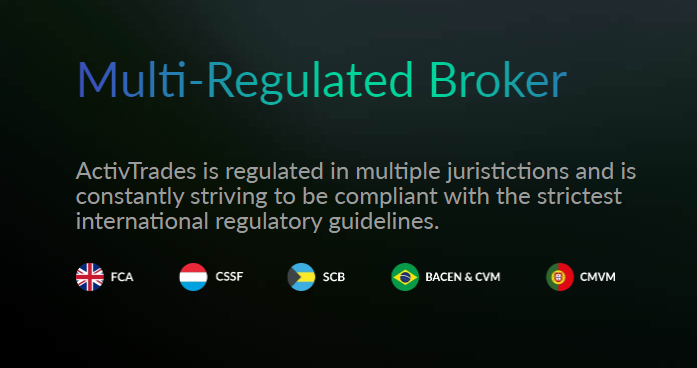
| ActivTrades | FCA, CSSF, CMVM, SCB, BACEN | FCA (UK), CSSF (Luxembourg) | SCB (Bahamas), BACEN (Brazil) |
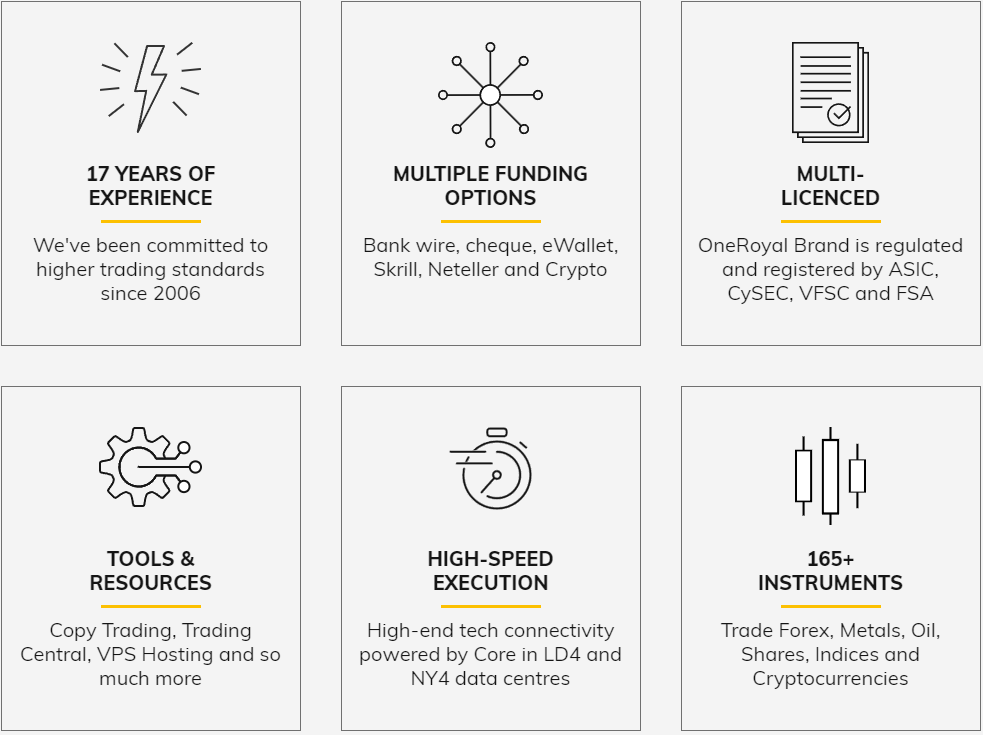
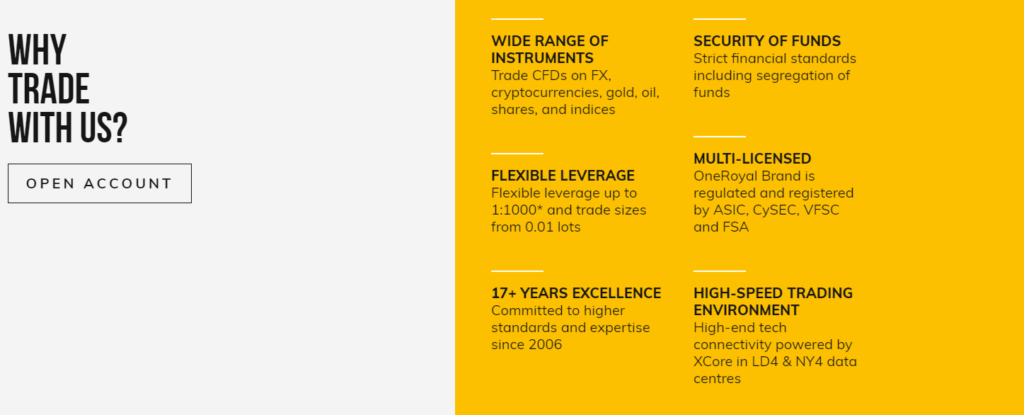
| OneRoyal | FCA, FSA, VFSC, DFCA | FCA (UK) | FSA (Seychelles), VFSC (Vanuatu) |
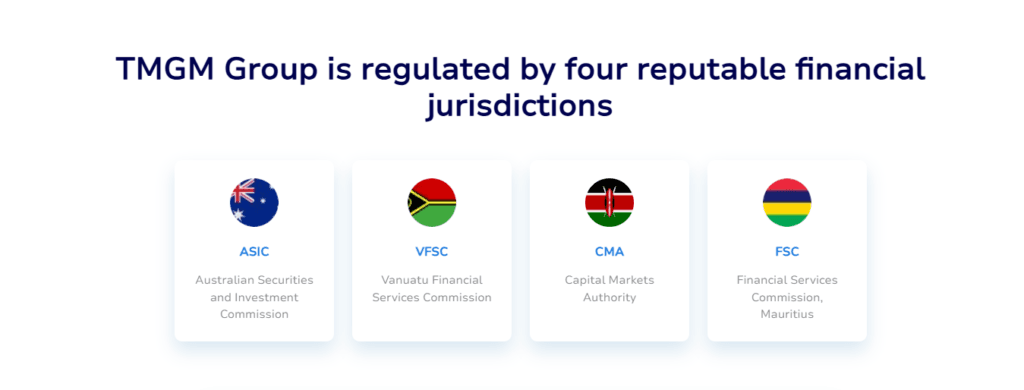
| TMGM | AFSL-ASIC, SCB | ASIC (Australia) | SCB (Bahamas) |
| EXANTE | FCA, CySEC | FCA (UK), CySEC (Cyprus) | – |
| DeltaStock | FSC | – | FSC (Bulgaria – EU member) |
| Skilling | CySEC, FSA | CySEC (Cyprus) | FSA (Seychelles) |
| Earn Broker | CySEC | CySEC (Cyprus) | – |
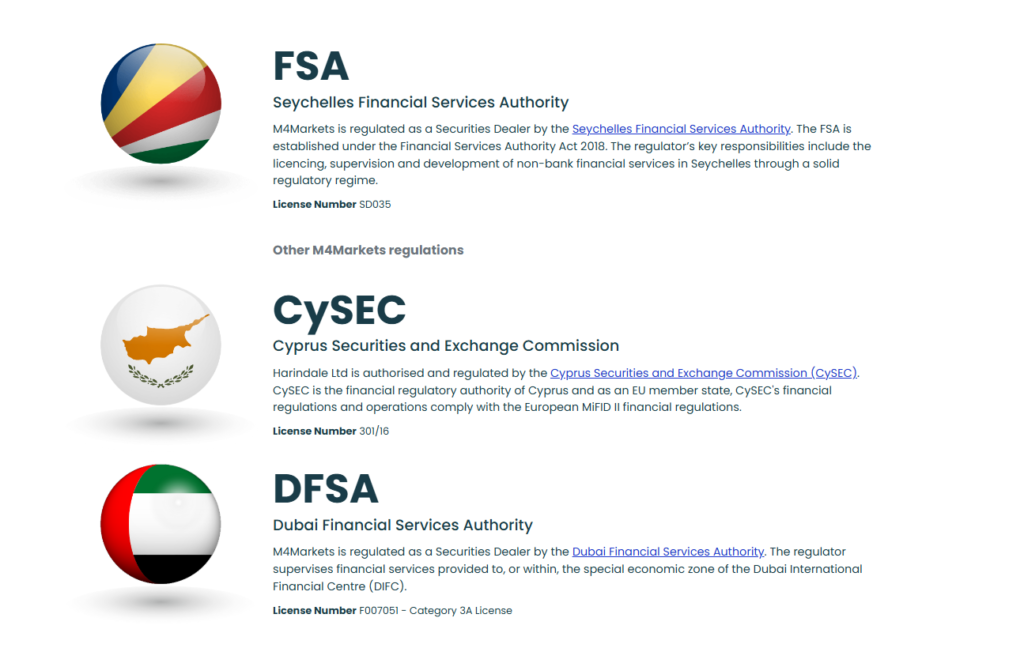
| M4 Markets | CySEC, FSA, DFSA | CySEC (Cyprus) | FSA (Seychelles) |
| EightCap | AFSL-ASIC, VFSC, FSC | ASIC (Australia) | VFSC (Vanuatu), FSC (Mauritius) |
| NAGA | CySEC, ADGM, FSCA, FSA | CySEC (Cyprus) | FSA (Seychelles), FSCA (South Africa) |
| RS Prime | FMA, FSA | – | FMA (Vanuatu?), FSA (Seychelles) |

Important Notes from the Data
- Tier 1 Strength: Brokers like ActivTrades, Admirals, and MultiBank Group show the strongest mix of top-tier regulators (FCA, ASIC, CySEC, BaFin).
- Mixed Models: Most brokers operate a dual-license model – a Tier 1 license for strict European/UK clients and an offshore license (FSA/VFSC) to offer higher leverage to international traders.
- Data Gaps: For brokers like RS Prime, the regulator details (“FMA”) are unclear from the page and may need verification. Some entries (like Alchemy Markets, OANDA, FxPro) were mentioned in text but lacked clear regulator tables, so they are not included here.
Why Verification Matters More Than Ever
You wouldn’t hand your life savings to a stranger on the street. Yet every day, traders deposit thousands of dollars with brokers they’ve never properly verified.
In 2026, the forex landscape is more complex than ever:
- New offshore brokers launch weekly with slick websites and aggressive marketing.
- Clone firms impersonate real regulated companies to steal deposits.
- Licenses expire or get suspended, but brokers don’t always tell you.
The good news? Verifying a broker’s regulation takes less than 5 minutes – and this guide will show you exactly how.
What’s at stake:
| If You Don’t Verify | If You Do Verify |
|---|---|
| Risk of losing entire deposit | Funds protected by compensation schemes |
| Withdrawal delays or denials | Clear recourse if issues arise |
| Trading with false leverage promises | Accurate understanding of risks |
| No one to complain to | Regulator oversight and complaints process |
What Does “Regulated” Actually Mean?
Many traders confuse being “licensed” with being “regulated.” They are not the same thing.
| Term | What It Really Means |
|---|---|
| Regulated | The broker is supervised by a government authority, must follow strict financial rules, keep client funds segregated, and offer investor protection. |
| Licensed | The broker has a business registration in that jurisdiction. This does not mean they are financially regulated. |
| Authorized | Often means they can operate in a region, but the level of oversight varies wildly. |
| Registered | Similar to licensed – minimal oversight, no investor protection. |

The Three Tiers of Regulation
| Tier | Examples | Protection Level |
|---|---|---|
| Tier 1 | FCA (UK), CySEC (Cyprus), ASIC (Australia), BaFin (Germany), FINMA (Switzerland) | High – strict rules, compensation funds, regular audits |
| Tier 2 | FSCA (South Africa), CMA (Kenya), DFSA (Dubai) | Medium – some oversight, but may lack compensation schemes |
| Tier 3 (Offshore) | FSA (Seychelles), VFSC (Vanuatu), IFSC (Belize), FSC (Mauritius) | Low – basic licensing, minimal enforcement, no compensation |
Key point: A broker can be “licensed” in an offshore jurisdiction with zero investor protection. Always know which tier you’re dealing with.
Step-by-Step: How to Verify a Broker’s License
Follow these steps exactly. Do not skip any.
Step 1: Find the Broker’s License Number
Where to look on the broker’s website:
- Footer of every page (most common)
- “About Us” or “Company” section
- “Regulation” or “Legal” page
- “Terms and Conditions” (fine print)
What you’re looking for: Statements like:
- “Regulated by the Financial Conduct Authority (FCA) under license number 123456”
- “Authorized and regulated by CySEC with license no. 789012”
- “Licensed by the Seychelles Financial Services Authority (FSA) with license number SD123”
Warning: If you cannot find a license number anywhere on the website after 2 minutes of searching, that is a major red flag. Legitimate brokers display their credentials prominently.
Step 2: Identify the Regulator
From the license statement, note the full name of the regulator. Common ones include:
| Regulator | Full Name | Country |
|---|---|---|
| FCA | Financial Conduct Authority | United Kingdom |
| CySEC | Cyprus Securities and Exchange Commission | Cyprus |
| ASIC | Australian Securities and Investments Commission | Australia |
| BaFin | Federal Financial Supervisory Authority | Germany |
| FINMA | Swiss Financial Market Supervisory Authority | Switzerland |
| FSA | Financial Services Authority | Seychelles |
| VFSC | Vanuatu Financial Services Commission | Vanuatu |
| FSC | Financial Services Commission | Mauritius |
| IFSC | International Financial Services Commission | Belize |
| CMA | Capital Markets Authority | Kenya |
| DFSA | Dubai Financial Services Authority | UAE |

Step 3: Go Directly to the Regulator’s Official Website
Critical rule: Never click links from the broker’s website to access regulator pages. Scammers create fake regulator websites that look real.
Instead:
- Open a new browser tab.
- Search Google for the regulator’s official name (e.g., “FCA official register”).
- Look for the official government domain (e.g., .gov.uk, .org.cy, .gov.au).
Step 4: Use the Register Search Tool
Each regulator has a public register. Find the search function:
| Regulator | Register Name | Search Tip |
|---|---|---|
| FCA | Financial Services Register | Search by firm name or license number |
| CySEC | Register of Regulated Entities | Search by license number or name |
| ASIC | Professional Registers | Search by AFS license number |
| FSA Seychelles | Licensees Search | Search by license number |
| VFSC | International Companies & Limited Partnerships | Search by company name |
Step 5: Enter the License Number or Broker Name
Type in the license number exactly as shown on the broker’s website. If you don’t have the number, try the broker’s full legal name.
What to check once the result appears:
| Check This | Why It Matters |
|---|---|
| Name matches exactly | Clone firms use similar but slightly different names. |
| Status is “Active” or “Authorized” | Expired or suspended licenses mean no protection. |
| Address matches | Scammers often use different addresses. |
| Permissions include “dealing in investments” | Some licenses only allow advisory services, not holding client funds. |
| Any restrictions or conditions | Regulators may limit what the broker can do. |

Step 6: Check for Warnings or Cautions
Regulator websites often have separate sections for:
- Warning lists – firms operating without authorization
- Public notices – fines, suspensions, or investigations
- Investor alerts – current scams or clone warnings
Search these sections for the broker’s name. Even if they are licensed, a history of fines matters.
Top Tier 1 Regulators You Can Trust
These regulators offer the highest level of protection for retail traders.
| Regulator | Country | Protection Features | Compensation |
|---|---|---|---|
| FCA | UK | Strict capital requirements, client money segregation, regular reporting | Up to £85,000 per person |
| CySEC | Cyprus | MiFID compliance, negative balance protection, investor compensation fund | Up to €20,000 |
| ASIC | Australia | Segregated funds, external dispute resolution scheme | No fixed compensation, but strong oversight |
| BaFin | Germany | Strict licensing, ongoing supervision, negative balance protection | Up to €20,000 (via EU scheme) |
| FINMA | Switzerland | High capital requirements, strict auditing, deposit protection | Up to CHF 100,000 |
| CFTC/NFA | USA | Segregated accounts, strict leverage limits, daily reporting | No compensation, but strong oversight |
Trader’s note: Tier 1 regulation means real oversight. Your funds are significantly safer, but leverage is often lower and reporting requirements stricter.
How to Check Offshore Regulators (FSA, VFSC, etc.)
Many brokers advertise “FSA regulated” or “licensed by VFSC.” Here’s what you need to know.
What These Regulators Actually Do
| Offshore Regulator | Country | Reality |
|---|---|---|
| FSA (Seychelles) | Seychelles | Basic licensing, minimal ongoing oversight, no compensation fund |
| VFSC (Vanuatu) | Vanuatu | Low entry requirements (under $5,000), weak enforcement |
| FSC (Mauritius) | Mauritius | Improving but still limited protection for foreign clients |
| IFSC (Belize) | Belize | Popular for offshore brokers, but limited recourse if things go wrong |
| LAB (Labuan) | Malaysia | More oversight than pure offshore, but still limited |
How to Verify Offshore Licenses
The process is similar to Tier 1, but with lower expectations:
- Find the official regulator website via Google (not broker links).
- Search for the license number in their public register.
- Confirm the license is active – some offshore licenses lapse unnoticed.
- Check the license type – does it permit holding client funds?
- Understand the limits – there is no compensation scheme.

Example: Verifying an FSA Seychelles License
- Go to the Seychelles FSA website (www.fsaseychelles.sc).
- Click “Licensees” or “Register.”
- Search by license number or company name.
- Confirm status is “Active” and the name matches.

Trader’s bottom line:
Offshore brokers aren’t automatically scams. Many reputable brokers use offshore entities to offer higher leverage to non-EU clients. But you must understand that “licensed” does not equal “protected.” Only trade what you can afford to lose.
Red Flags: When a Broker Looks Regulated but Isn’t
Scammers are creative. Here are the most common tricks.
Red Flag 1: Fake License Numbers
Some brokers invent license numbers or use numbers from defunct companies.
How to spot it: The number won’t appear in the regulator’s register, or it will belong to a different company.
Red Flag 2: Clone Firms
Scammers copy the name and details of a real regulated firm. They use similar websites, logos, and even real license numbers from the legitimate firm.

How to spot it:
- Check contact details (phone, email, address) against the official register.
- If the website domain is slightly different (e.g., .net instead of .com), be suspicious.
- Call the phone number on the regulator’s register – not the one on the broker’s site.
Real example: In 2025, clone scammers impersonated a major FCA-regulated broker, using their real license number. Victims only discovered the scam when withdrawals stopped.
Red Flag 3: Outdated Claims
A broker may have been regulated years ago but lost their license. They continue advertising as “FCA regulated” hoping no one checks.
How to spot it: Always check the license status is “Active” or “Authorized.” If it says “Formerly authorized” or “No longer authorized,” run.
Red Flag 4: Vague Language
Watch for phrases like:
- “We are regulated in Europe” – without specifying the regulator
- “Licensed by international authorities” – without naming them
- “Fully compliant with global standards” – meaningless marketing

How to spot it: If they won’t give a specific license number and regulator name on their website, they are hiding something.
Red Flag 5: Pressure to Deposit
Scammers often use high-pressure tactics:
- “Regulation verification can wait – this bonus expires today!”
- “Our license is being upgraded, deposit now before restrictions apply.”
How to spot it: No legitimate broker will pressure you to skip verification.
Real Examples: Verifying Three Real Brokers
Let’s walk through three real-world verification examples using actual brokers.
Example 1: OneRoyal (FCA and CySEC)
Step 1: Find license numbers
On OneRoyal’s website footer: “OneRoyal EU Ltd regulated by CySEC with license number 123/12” and “OneRoyal Global Ltd licensed by FSA Seychelles with license number SD123.”
Step 2: Verify CySEC license
- Go to CySEC website (www.cysec.gov.cy).
- Click “Register of Regulated Entities.”
- Search for “OneRoyal EU Ltd” or license number “123/12.”
- Result: Active – name matches, address matches, permissions include “Reception and transmission of orders.”
Step 3: Verify FSA Seychelles license
- Go to FSA Seychelles website.
- Click “Licensees.”
- Search for license number “SD123.”
- Result: Active – name matches. No compensation fund noted.
Step 4: Check warnings
Search both regulator websites for warnings – none found.
Verdict: Properly regulated with one Tier 1 license (CySEC) and one offshore license clearly disclosed.
Example 2: [Hypothetical Offshore Broker “ForexGlobal”]
Step 1: Find license
Footer says: “Licensed by VFSC under number 12345.”
Step 2: Verify VFSC license
- Go to VFSC Vanuatu website.
- Search for “ForexGlobal” or license “12345.”
- Result: Active – name matches. License type: “International Company” – not a financial services license.

Step 3: Understand the license
A standard International Company license does not authorize forex brokerage or holding client funds. This broker is operating outside their license.
Verdict: Red flag. They are misrepresenting their license.
Example 3: [Hypothetical Clone Scam “FCA-Broker”]
Step 1: Find license
Website claims: “Regulated by FCA with license number 456789.”
Step 2: Verify FCA license
- Go to FCA register.
- Search license “456789.”
- Result: License belongs to a legitimate UK firm with a different name and website.
Step 3: Check contact details
The FCA register shows the real firm’s phone number and address. The scam website has different contact details.
Step 4: Check FCA warning list
Search FCA warning list – the scam firm is listed as a clone.
Verdict: Confirmed scam. Do not deposit.
What to Do If You Find a Broker Is Unregulated
Scenario A: You Haven’t Deposited Yet
- Do not deposit. Walk away immediately.
- Report the broker to the regulator they falsely claim to be under.
- Share your finding on Forex Factory forums or Trustpilot to warn others.
Scenario B: You Have Funds Trapped
- Stop trading immediately. Every new trade increases your exposure.
- Withdraw any remaining funds right now. Even if you suspect issues, try to withdraw.
- Contact your bank or payment provider to reverse transactions. This is time-sensitive – often only possible within days of deposit.
- File a complaint with the actual regulator (even if the broker is unregulated, they may have a warning process).
- Gather evidence: Screenshots of the website, license claims, communication, and transaction records.
- Share your experience on trader forums and warning sites. You may help others avoid the same trap.

Scenario C: You’re Unsure About a Broker
- Ask in trader communities (Forex Factory forums, Reddit r/forex).
- Contact TraderFactor for guidance – we may have already verified them.
- Start with a very small deposit to test withdrawals before committing more.
FAQs: Broker Regulation Questions
What is the safest forex broker regulation?
The FCA (UK), ASIC (Australia), and CySEC (Cyprus) are considered top-tier for retail trader protection. FINMA (Switzerland) and BaFin (Germany) are also excellent but less common for offshore clients.
Can I trust brokers regulated in Seychelles or Vanuatu?
They are licensed but offer minimal protection. Only trade there with money you can afford to lose, and always verify the license is active. Many reputable brokers use offshore entities to offer higher leverage to non-EU clients – but you must understand the risk.
How do I check if a broker is FCA regulated?
Go to the FCA Financial Services Register (register.fca.org.uk). Enter the firm’s name or license number. Check the status is “Authorized” and the permissions include “Dealing in investments as principal” or “Arranging deals in investments.”

What if my broker’s license number doesn’t appear in the register?
It could be a scam, or the license may have expired. Contact the regulator directly via phone or email to confirm. Do not accept the broker’s explanation without independent verification.
Do all brokers need to be regulated?
In most countries, brokers must be regulated to offer services to residents. If a broker accepts your deposit without local regulation, they are operating in a legal grey area. You have little to no recourse if something goes wrong.
Can a broker be regulated in multiple countries?
Yes. Many reputable brokers have multiple licenses (e.g., FCA + CySEC + FSA). This allows them to serve clients in different regions. Verify each license separately on the respective regulator’s website.

What is a “clone firm”?
A scammer that copies the name, details, and even license number of a real regulated firm. They create a similar website and pretend to be the legitimate company. Always verify contact details against the official register.
How often should I verify my broker’s regulation?
At least every 6 months, or immediately if you hear rumors of issues. Regulators update warnings regularly, and licenses can be suspended without notice.
Does regulation guarantee I won’t lose money?
No. Regulation reduces risk but doesn’t eliminate it. You can still lose money from trading losses, market volatility, or poor strategy. However, your funds should be safer from theft, mismanagement, or the broker going bankrupt.

Where can I find a list of regulated brokers?
TraderFactor maintains updated reviews with verification links for dozens of brokers. Each review includes license numbers, direct links to regulator registers, and a “Last Verified” date.
How TraderFactor Does This Work for You
At TraderFactor, we don’t just tell you a broker is “regulated.” We do the verification work for you and present it transparently.
Every TraderFactor broker review includes:
| Feature | What We Provide |
|---|---|
| ✅ License numbers | For every regulator the broker claims |
| ✅ Direct links | To the official regulator register page |
| ✅ Last verified date | So you know the information is current |
| ✅ Warning check | Any recent actions, fines, or cautions |
| ✅ Offshore risk rating | Clear explanation of protection levels |
| ✅ Clone check | We verify the name and address match |
Example: OneRoyal Review (March 2026)
Regulatory Status:
- CySEC (Cyprus): License No. 123/12 – [Verify Here] (Last verified: March 2026 – Status: Active)
- FSA (Seychelles): License No. SD123 – [Verify Here] (Last verified: March 2026 – Status: Active)
- FCA (UK): License No. 456789 – [Verify Here] (Last verified: March 2026 – Status: Active)
Warning Check: No active warnings from any regulator. No fines in last 3 years.
Our Take: OneRoyal is properly regulated with one Tier 1 license (CySEC) and clear disclosure of their offshore entity. Suitable for traders who understand the different protection levels.
👉 [Browse All Verified Broker Reviews] 👈
📬 Stay Updated
Regulation changes. Brokers lose licenses. New warnings appear.
Subscribe to our free newsletter for:
- Monthly broker status updates
- New verification guides
- Alerts on regulatory changes affecting your broker
Final Thought: Trust, But Verify
The forex market offers incredible opportunities, but it also attracts bad actors. The difference between a good trading experience and a nightmare often comes down to 5 minutes of verification.
You wouldn’t skip checking the locks on your front door. Don’t skip checking your broker’s regulation.
Bookmark this guide. Use it for every broker you consider. And when you find one that passes the test, TraderFactor is here to help you compare spreads, platforms, and fees.
Trade safe. Trade smart. Always verify.
Disclaimer:
This article is for informational purposes only and does not constitute financial advice. Trading forex, stocks, and commodities carries significant risk. Geopolitical events can cause extreme and unexpected market movements. Always verify information from multiple sources.