
Learn how to avoid common mistakes for beginner forex traders. Discover tips on risk management, trading plans, and emotional control for beginner traders.
Top Mistakes Beginner Forex Traders Must Avoid for Success
The forex market moves fast and is filled with opportunities. Every trade involves Currency Pairs like EUR/USD or USD/JPY composed of a Base Currency and a Quote Currency. You can trade Majors, Minors, or Exotic pairs.
Traders use different order types such as Market Order, Limit Order, and Stop Order to get in and out of trades. The Bid Price and Ask Price determine the Spread, your main trading cost. Each trade is measured in Lots (Standard, Mini, Micro), and Pips (Percentage in Point) show price changes. Choosing the right Position Size is essential for risk control.
Key Takeaways
- No Trading Plan: Jumping into forex trading without a plan leads to impulsive decisions and losses. Your plan must include entry and exit strategies, Stop Loss (SL), Take Profit (TP), and overall risk management rules.
- Poor Risk Management: Avoid risking too much on each trade. Stick to the 1% rule and focus on your Risk-to-Reward Ratio (R:R), Margin, Position Size, Drawdown, and protecting your capital.
- Excessive Leverage: Leverage increases both potential gains and losses. Beginners should learn how Leverage, Margin, Margin Call, and Stop Out levels work to avoid wiping out their accounts.
- Emotional Trading: Emotions like fear and greed can lead to mistakes. Use objective Technical Analysis tools—such as Moving Averages (SMA, EMA), RSI, support and resistance levels, and Candlestick Patterns (like Doji, Hammer, Engulfing)—to stay disciplined.
- Ignoring Fundamentals: Currency markets are influenced by Economic Indicators (GDP, CPI, NFP), Central Bank Policies (interest rates, QE), and major news. Combine Fundamental Analysis with Technical Analysis for better trading decisions.
Common Mistakes Beginner Forex Traders Make
Common Mistakes vs. Professional Solutions
| Mistake | Professional Solution |
|---|---|
| No trading plan, emotional trades | Create a written plan, use SL, TP, planned Position Size |
| Too much risk per trade | Use 1% risk rule, set SL and calculate Margin |
| Excessive leverage, big Drawdown | Use low Leverage, scale Position Size with care |
| Ignoring fundamentals | Mix Technical & Fundamental Analysis, check Economic Indicators |
| Poor order execution, big Spread | Mind your order type—Market, Limit, or Stop Order, and always check Spread |
Why do most forex traders fail? Yet, they can engage the services of forex brokers for beginners. Traders are constantly trying to find an edge in the markets when trading currencies.
Unfortunately, the desperate attempts to make money often lead them to make the same mistakes other forex traders make. The good news is that you can improve your chances of success if you learn forex trading from others’ mistakes.
Here are some of the most common forex beginner mistakes:
Trading Without a Plan
Many forex beginners treat trading like gambling, relying on luck. Successful traders use a clear trading plan, which includes:
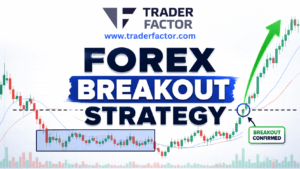
- Entry triggers—such as Breakout Trading above Resistance Levels or Pullbacks to Support Levels.
- Pre-programmed Stop Loss (SL) and Take Profit (TP) levels.
- Setting Position Size, calculating lots, and factoring in Leverage.
- Indicators like RSI, Moving Averages, Fibonacci Retracement, Bollinger Bands, Volume Indicators (OBV, VWAP), and reading Candlestick Patterns.

Example:
Imagine you expect EUR/USD (a Major Pair) to rise.
– No Plan: You enter a Long Position without checking support, resistance, or trend lines. A small reversal triggers an emotional exit.
– With a Plan: You enter only after a bullish Engulfing candle and confirmation from a Moving Average crossover. You set your SL below the last swing low and TP before the next resistance.
Traders also watch for liquidity pockets like Order Blocks, Fair Value Gaps (FVG), and areas of Equal Highs or Equal Lows these often signal smart money moves.
Read Beginners Guides and Tips For Forex Trading
Overtrading Forex
Many traders looking to enter the forex markets are tempted to take a considerable trade in anticipation of an enormous win in the long term because they are allured by the possibility of one. One of the most common and expensive trading errors you can make is this overtrading. There is always a chance that the markets will turn against you because they are frequently unpredictable.

Your chances of future success can be severely harmed if you put a significant percentage of your trading capital at risk. Even with a trading account, it’s safer to go slow and learn forex trading step by step before you can commit huge sums in single trading.
Additionally, you need to know how much you’re willing to lose on each trade and stick to that amount. Failure to manage risks can lead to big losses that can wipe out your account.
Using Excessive Leverage
Leverage is a double-edged sword. High Leverage allows you to control more with less capital but also brings more risk.
- Too much Leverage can trigger a Margin Call or Stop Out fast if the trade goes against you even a few Pips in a high-volume position.
- Understand your broker’s requirements for Margin and available Lots (Standard, Mini, Micro).
- Protect yourself by keeping Leverage and Position Size low until you develop experience.

Real Example:
You open a 1 Standard Lot trade in EUR/USD with high Leverage. If the market drops 50 Pips, you lose $500. If your account was $1,000, that’s a 50% Drawdown and could trigger a Margin Call.
Risk management is crucial. Never risk more than a small percentage of your Margin per trade.
- Always use a Stop Loss (SL).
- Calculate Position Size using your intended risk and lots.
- Be mindful of Margin, Leverage, Drawdown, and Margin Call risk.
- Watch for high Volatility and Slippage during major Economic Indicators (like NFP).
A simple rule: risk 1% of your account per trade to stay safe from big Drawdowns or even a Stop Out. Adjust for Spread when setting SL and TP.
Emotional and Overconfidence When Trading Forex
Trading psychology can make or break your results.
- After a win, overconfidence might push you to overtrade or ignore your plan. Avoid revenge trading if you hit a loss.
- Tools like support and resistance, trend lines, RSI, and Volume Indicators help you trade based on logic, not emotion.
- Trading styles like Scalping, Day Trading, Swing Trading, or Position Trading require different levels of focus and patience.

Stay objective and always use SL and TP to remove emotion from exits.
Not Doing Adequate Research Before Trading Forex
Forex trading is not just about reading the charts. You need knowledge of both Technical Analysis and Fundamental Analysis.
- Technical Analysis tools include: Trend Lines, SMA, EMA, RSI, Bollinger Bands, Fibonacci Retracement, Volume Indicators (OBV, VWAP), and Candlestick Patterns.
- Fundamental Analysis covers: Economic Indicators (GDP, CPI, NFP), Central Bank Policies, Interest Rate decisions, and market news.
- Monitor market liquidity, volatility, and Spread—especially during major news events.
- Understand trading strategies such as Breakout Trading, Hedging, Arbitrage, and how movements in liquidity, Draw on Liquidity, or Order Blocks can affect entries and exits.

Always check economic calendars before placing trades and know how your Currency Pair might react.
Skipping the Demo Account
Many beginners are eager to make real money and skip a crucial learning step: the demo account. A demo account allows you to trade with virtual money in a real-time market environment. It’s the perfect place to practice without any financial risk.
Why a Demo Account is Essential
- Learn the Platform: Use a demo account to get comfortable with your trading platform’s features, including how to place orders, set stop-losses, and use charting tools.
- Test Your Strategy: This is your sandbox for testing and refining your trading plan. You can see how your strategy performs under different market conditions without losing real capital.
- Build Confidence: Gaining experience and achieving consistent (virtual) profits on a demo account will build the confidence you need before you start trading with real money. Aim to be consistently profitable on a demo account for at least a few months before going live.

Your Next Steps to Smarter Trading
- Learn the language: Pips, Lots, Margin, Leverage, Spread, Bid Price, Ask Price, Base/Quote Currency.
- Use both Technical Analysis and Fundamental Analysis.
- Master entry/exit using SL, TP, and evaluate Support Levels, Resistance Levels, and trend lines.
- Choose your trading style: Scalping, Day Trading, Swing Trading, or Position Trading.
- Stay updated on Central Bank Policies and Economic Indicators that move the market.
- Keep your trading approach simple, disciplined, and easy to follow.
By focusing on these essentials and avoiding the most frequent beginner forex mistakes, you’ll build a stronger foundation making your trading safer, smarter, and more successful.
Lastly, always keep in mind that making trading blunders is normal when you want to learn forex trading. By learning from these mistakes, you can avoid making them in the future and improve your chances of success in the markets. You may also find it worth employing the services of the best forex broker for beginners.
Disclaimer:
All information has been prepared by TraderFactor or partners. The information does not contain a record of TraderFactor or partner’s prices or an offer of or solicitation for a transaction in any financial instrument. No representation or warranty is given as to the accuracy or completeness of this information. Any material provided does not have regard to the specific investment objective and financial situation of any person who may read it. Past performance is not a reliable indicator of future performance.